


The Business Case: How Foldable Gift Boxes Increase Profit Margins
2026-09-14
Introduction
In business, packaging is often viewed as a cost center. However, for smart retailers, foldable gift boxes are a profit driver. They are not just a pretty face; they are a strategic asset that can reduce costs, increase sales, and improve customer satisfaction. This article examines the financial arguments for switching from traditional rigid boxes to foldable gift boxes. We will break down the numbers, from warehousing to shipping, and explore how this simple change can impact the bottom line.
Warehousing: The Cost of Empty Space
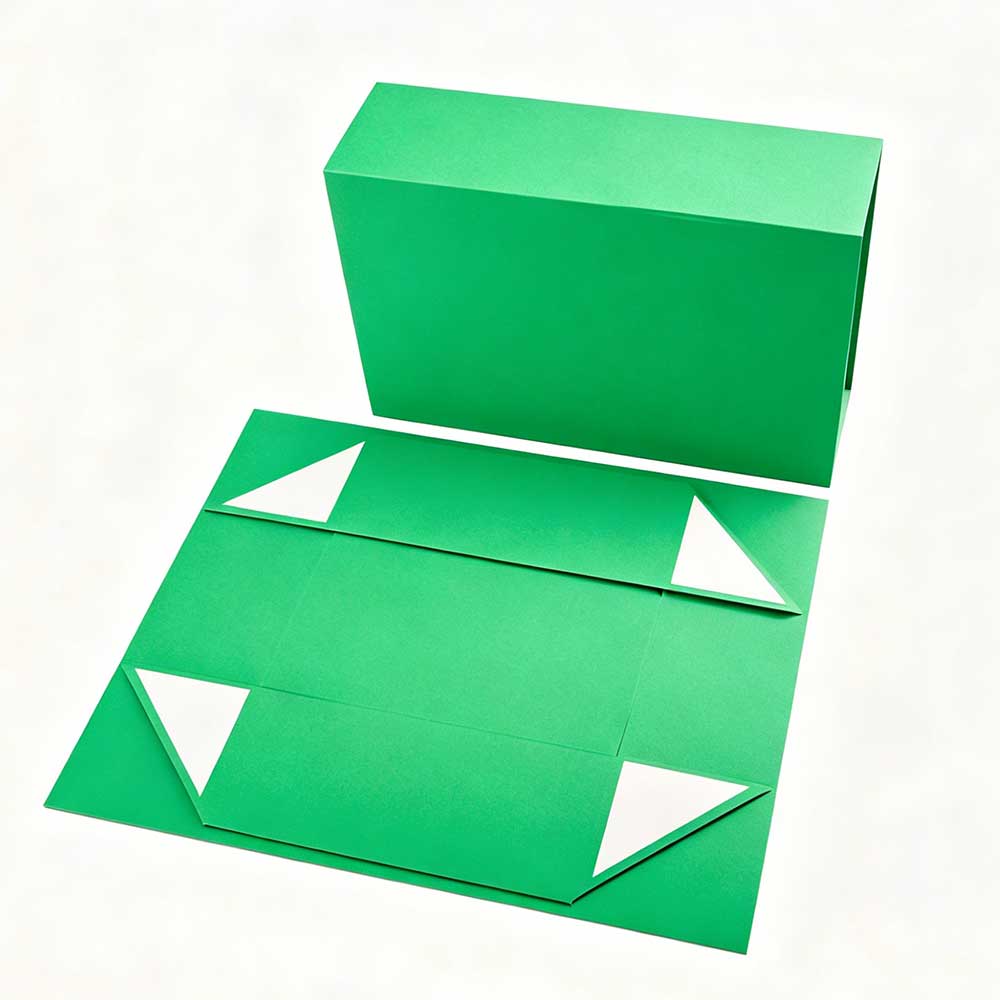
The average cost of warehousing in the US is significant, and it is rising. A pre-assembled gift box is essentially a box full of air. If you are storing 10,000 boxes, you are paying to store 10,000 cubic feet of air. A foldable gift box, when flat, takes up about 10-15% of the volume of an assembled box. This means you can store 10,000 boxes in the space previously used for 1,500. For a small business, this can mean the difference between needing a warehouse and using a garage. The savings on rent and utilities go directly to the bottom line.
Shipping: The Last Mile Savings
The "last mile" is the most expensive part of shipping. When you ship a pre-assembled box to a customer, you are shipping air. Dimensional weight pricing (DIM) is used by carriers like UPS and FedEx to charge based on the size of the package, not just the weight. By using foldable boxes, you can often ship in smaller, more efficient packaging. If you are shipping the gift boxes to your own store or fulfillment center, the savings are even more dramatic. You can fit 5x more boxes on a pallet, reducing freight costs by up to 80%.
Assembly: The Labor Question
Critics of foldable boxes often point to the labor cost of assembly. "Who is going to fold all these boxes?" they ask. The answer is: it takes seconds. Modern foldable boxes are designed for "pop-up" assembly. A retail associate can assemble a box in 3-5 seconds. If you are paying an employee $15/hour, that is roughly 2 cents per box. The savings on shipping and warehousing far outweigh this minimal labor cost. Furthermore, the assembly can be done during downtime, turning idle hours into productive ones.
Customization and Inventory Management
Foldable boxes allow for greater customization without increasing inventory risk. A retailer can order a large batch of plain white foldable boxes. They can then use stickers, stamps, or ribbons to customize the box for different seasons (Christmas, Valentine's Day, etc.). This eliminates the need to order separate pre-printed boxes for each holiday, which often results in unsold inventory. The flexibility of the foldable box reduces the risk of dead stock.
The Marketing ROI: The Perception of Value
Finally, there is the marketing value. A foldable gift box that is well-designed communicates quality. When a customer receives a package in a beautiful, sturdy box, they perceive the product as more valuable. This can justify a higher price point. Studies have shown that customers are willing to pay up to 20% more for a product if the packaging is premium. The foldable box is a marketing tool that pays for itself.
Conclusion
The switch to foldable gift boxes is not just an environmental decision; it is a financial one. By reducing warehousing and shipping costs and increasing perceived value, foldable boxes offer a clear return on investment. In a competitive retail environment, every cent counts, and foldable boxes are a smart way to save and earn.
recommended for you

Get in touch with us