

Sustainable Sourcing: The Eco-Friendly Case for Foldable Gift Boxes
2026-09-14
ntroduction
The packaging industry is under immense pressure to go green. Consumers are increasingly aware of the waste generated by single-use plastics and excessive cardboard. In this context, the foldable gift box emerges as a champion of sustainability. However, not all foldable boxes are created equal. The true environmental impact depends on the sourcing of materials, the production process, and the end-of-life disposal. This article explores why the shift to foldable designs is a critical step in reducing the carbon footprint of the gifting industry.
Reducing the Carbon Footprint of Transport
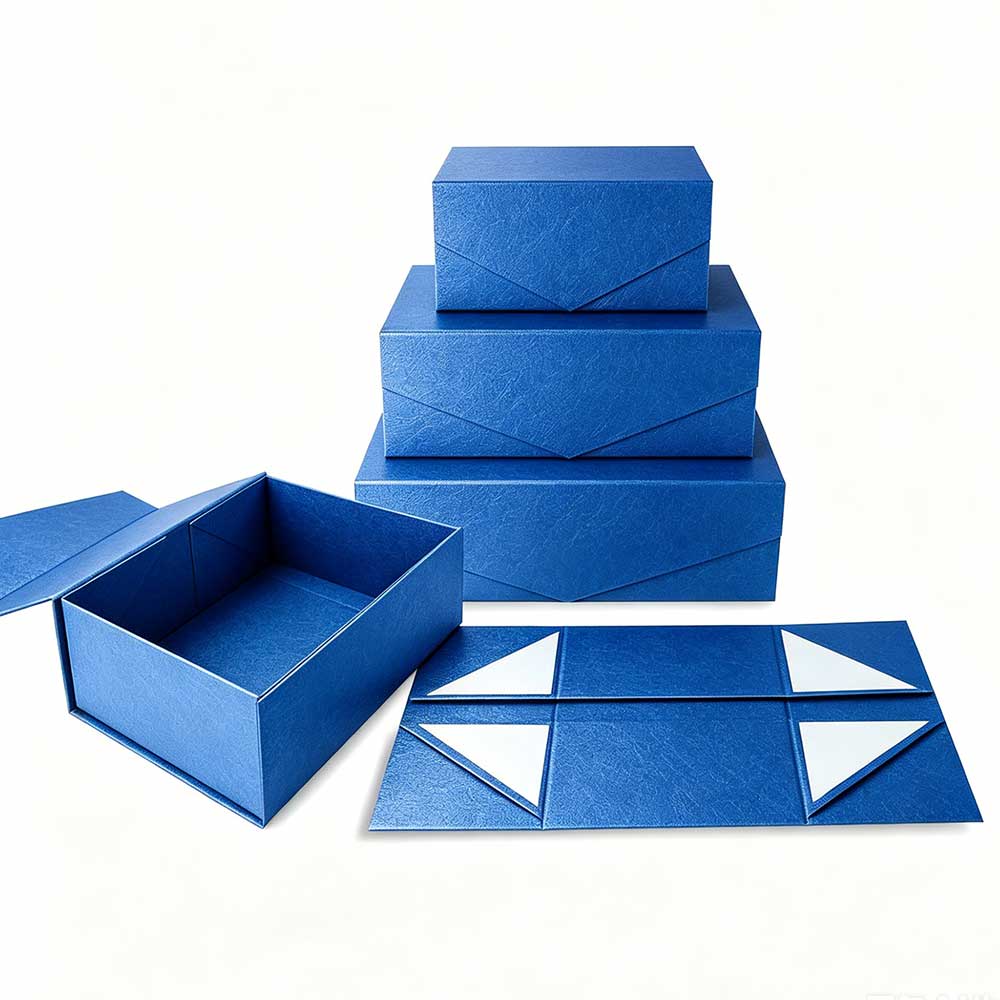
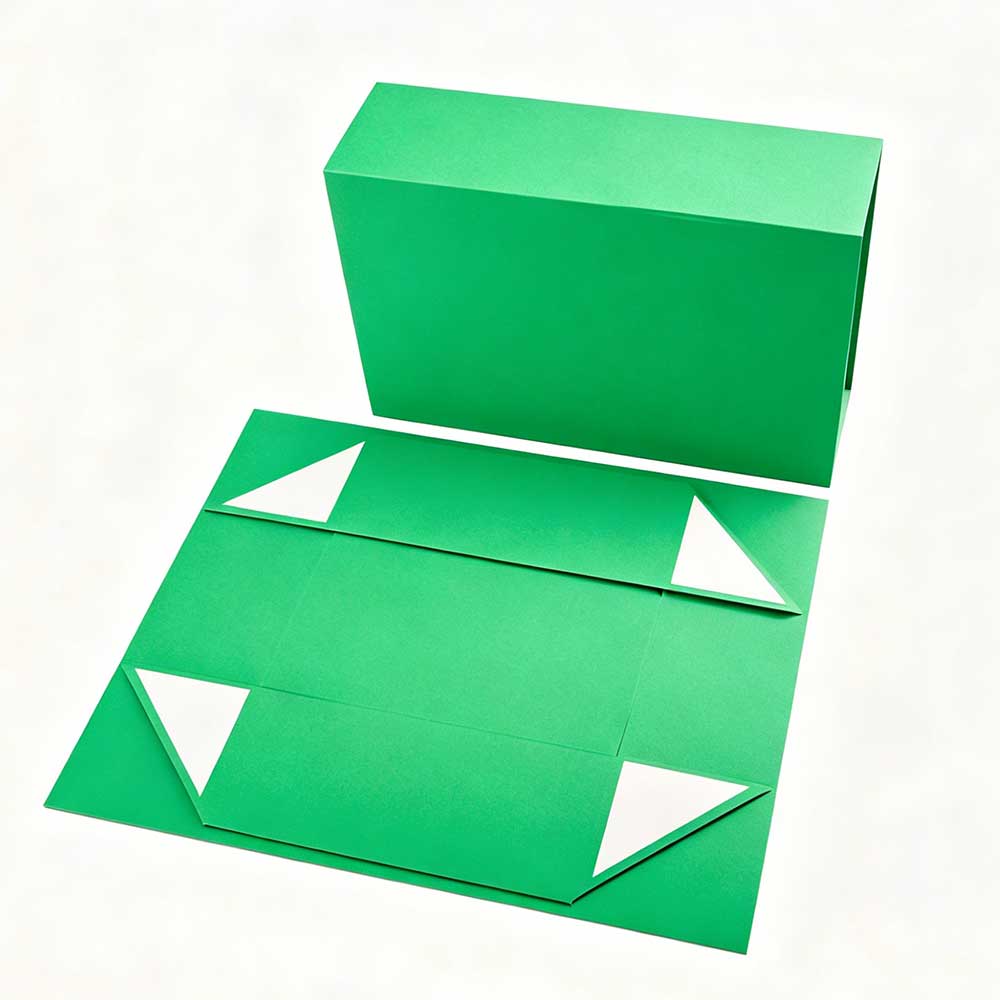
The most significant environmental benefit of foldable gift boxes is in logistics. A standard rigid box is mostly air. When you ship a truckload of rigid boxes, you are shipping 80% air and 20% product. Foldable boxes, however, are shipped flat. This means a single truck can carry up to five times the number of boxes. This reduces the number of trucks on the road, the fuel consumed, and the emissions produced. For a large retailer, this can translate to a massive reduction in Scope 3 emissions.
Material Choices: From Virgin to Recycled
The sustainability of a foldable box hinges on the paper. Virgin paper pulp comes from trees, which requires water, energy, and land. However, modern foldable boxes are increasingly made from 100% post-consumer waste (PCW) recycled paper. This reduces the demand for virgin timber and diverts waste from landfills. Furthermore, the "foldability" allows for the use of thinner, lighter paperboard without sacrificing strength, because the structural integrity comes from the geometric design of the folds, not the thickness of the material.
The Problem with Lamination
A major issue in gift box sustainability is lamination. Many high-end boxes are laminated with a thin layer of plastic to give them a glossy or matte finish. This plastic layer makes the box non-recyclable. The sustainable solution is to use water-based coatings or to leave the box uncoated. Foldable boxes are perfectly suited for this, as the folding process can expose raw edges that look natural and rustic. Brands like "Eco-Enfold" are pioneering foldable boxes that are 100% compostable, using soy-based inks and potato starch adhesives.
Durability and Reusability
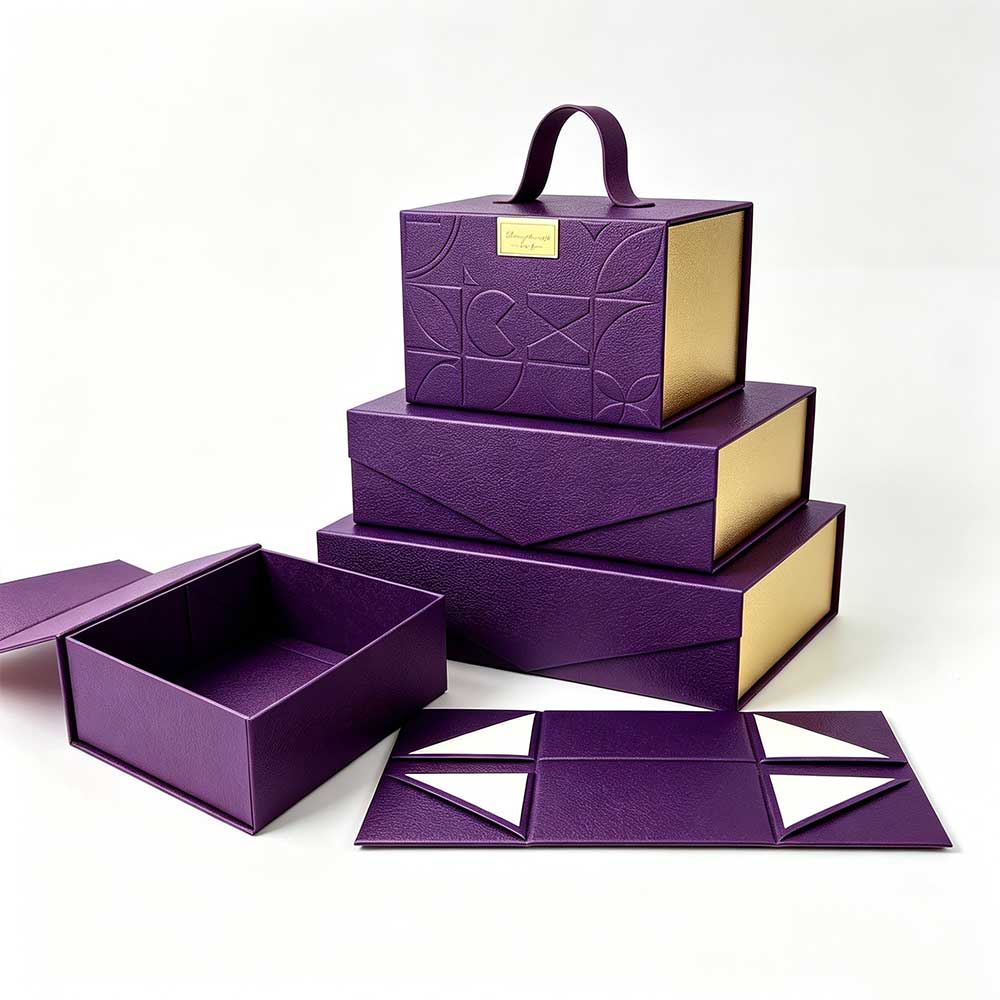
Sustainability is not just about recycling; it is about reuse. A foldable gift box that is flimsy and falls apart after one use is not sustainable. The goal is to create a foldable box that is so well-designed that the recipient keeps it. A sturdy foldable box can be used to store keepsakes, jewelry, or documents for years. This extends the life of the product, delaying its entry into the waste stream. The "reuse" factor is often the most overlooked aspect of sustainable packaging.
The Circular Economy Model
The ultimate goal is a circular economy for gift boxes. Imagine a system where a retailer sends a gift in a foldable box, the recipient keeps the box, and then the box is returned to the retailer (or a third party) to be sanitized and reused. Foldable designs make this reverse logistics easy because the boxes can be collapsed and shipped back efficiently. While this model is still in its infancy, it represents the future of sustainable gifting.
Conclusion
The foldable gift box is a powerful tool in the fight against packaging waste. By optimizing transport, utilizing recycled materials, and encouraging reuse, it offers a viable path towards a more sustainable future. As consumers demand greener options, brands that adopt foldable, eco-friendly packaging will be rewarded with loyalty and trust.
recommended for you
Get in touch with us