

How Printed Packaging Boxes Shape What Customers Think of Your Brand
2026-11-02
Ever picked up a product in a store, turned the box over in your hands, and felt a quiet sense of trust before you even read the label? That moment isn't accidental. It's the result of deliberate design choices, and more often than not, it starts with the box itself.
I've spent years watching brands agonize over logos and ad campaigns while treating their packaging as an afterthought. Then they wonder why their product feels forgettable on a crowded shelf. The truth is simpler than most marketing decks suggest: the box is often the first real conversation you have with a buyer, and it happens in about three seconds.
Why the physical box still matters in a digital-first world
You'd think that with everything moving online, the humble carton would lose relevance. The opposite has happened. When someone orders from an e-commerce site, the package arriving at their door becomes the entire brand experience. There's no salesperson, no store lighting, no background music. Just a box on a doorstep.
I've seen small skincare brands in Portland and Austin build loyal followings almost entirely on the strength of their unboxing moment. Customers film it, share it, tag the brand. That kind of organic reach doesn't come from a clever Instagram caption. It comes from a box that feels considered, sturdy, and worth photographing.
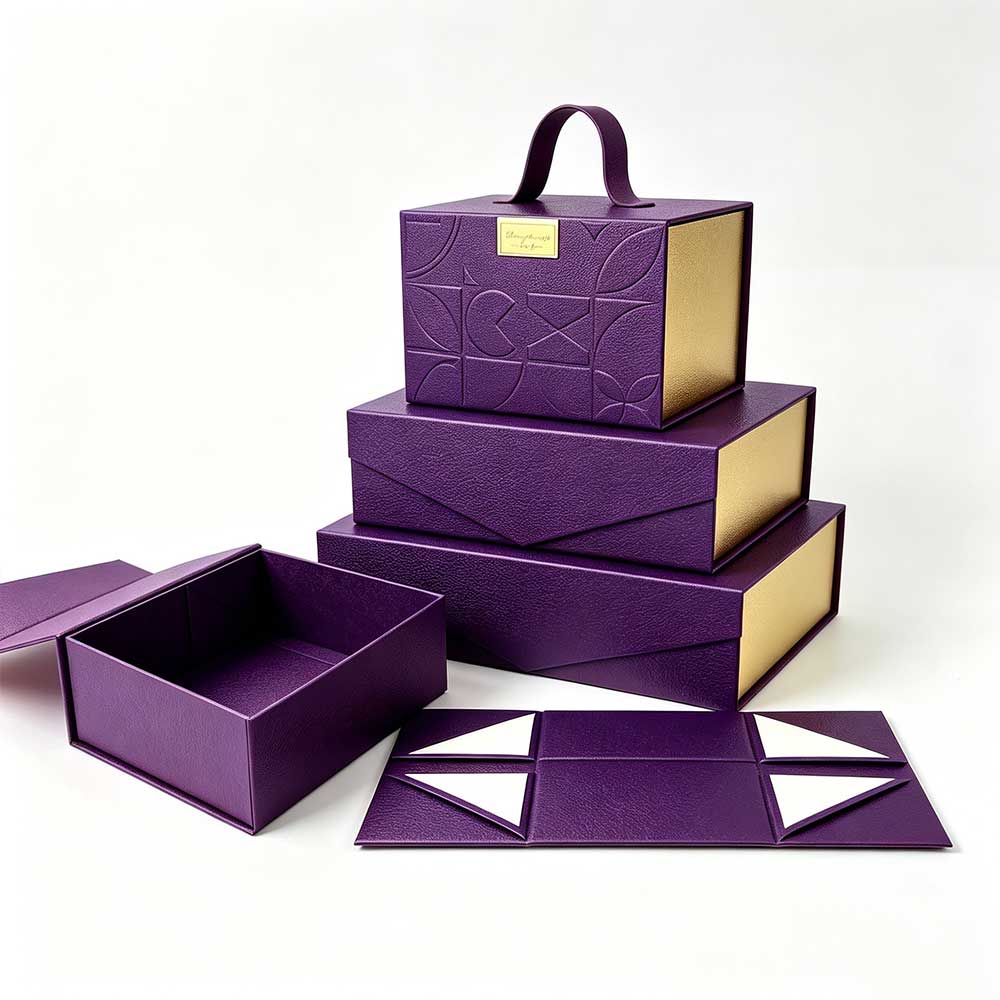
What makes a box feel premium? It's rarely one thing. The weight of the card stock, the precision of the fold, the way the print holds up under fluorescent light versus daylight. These details communicate care, and buyers read care as quality.
Materials and printing choices that actually affect perception
Here's where a lot of brands get stuck. They want something that looks expensive but costs almost nothing, and those two goals fight each other constantly. My advice? Pick the one element that matters most for your category and invest there.
For food products, barrier properties matter more than gloss. A grease-resistant coating on a bakery box prevents that translucent stain that makes even fresh pastries look tired. For cosmetics, tactile finishes like soft-touch lamination or spot UV create a sensory impression that photographs can't capture. And for subscription boxes, structural integrity is everything, because a crushed corner on arrival undoes months of brand building.
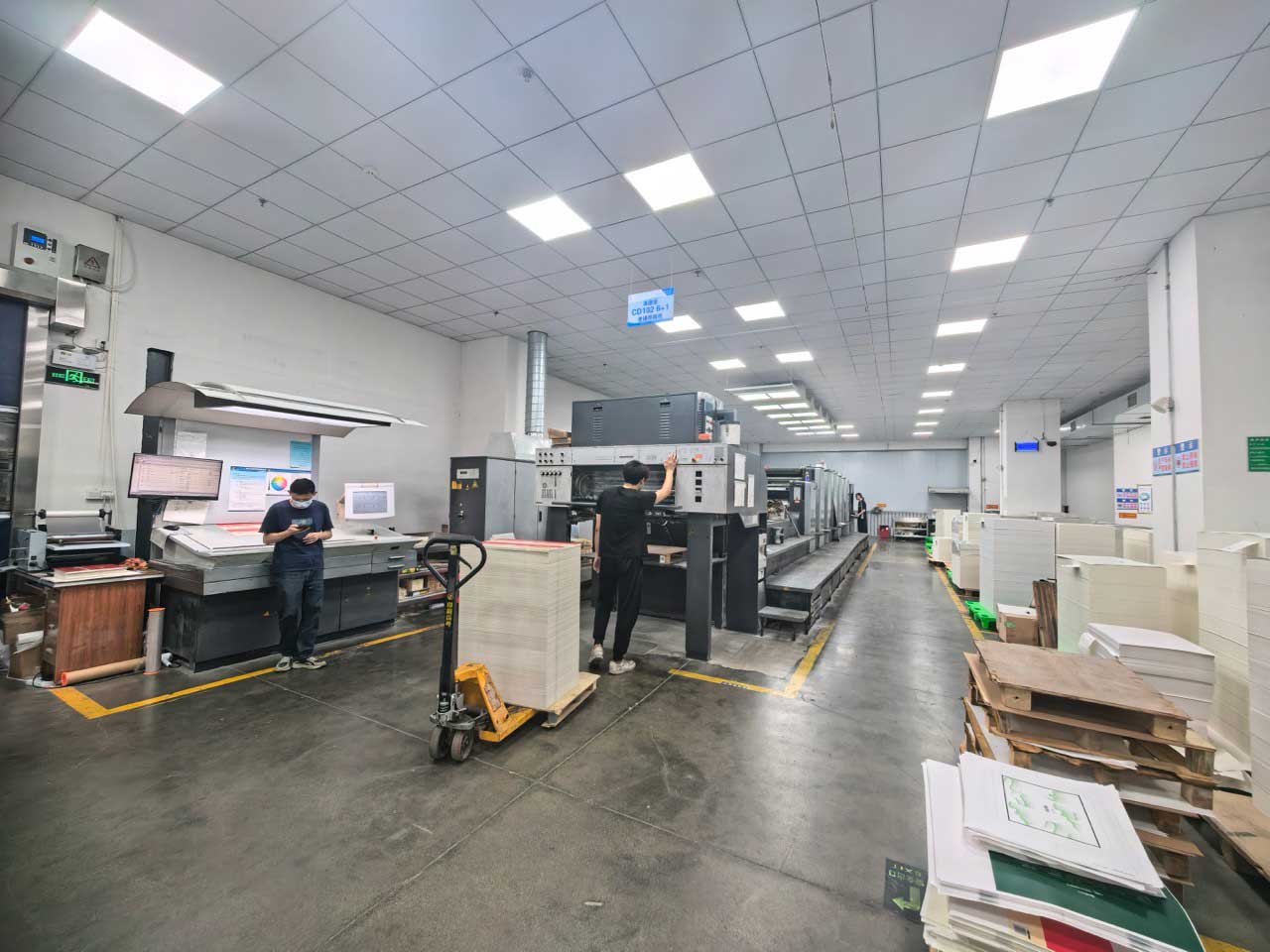
Printing method matters too, though fewer people ask about it than they should. Digital printing suits short runs and limited editions, which is ideal if you're testing a new SKU in a regional market like the Midwest before going national. Offset printing wins on cost per unit once you're past a few thousand boxes, but the setup fees sting for smaller operations. Flexible packaging suppliers in Europe often push rotogravure for high-volume runs, and the color consistency is genuinely impressive, though the lead times can stretch to weeks.
Should you always choose the cheapest per-unit option? Not if your launch timeline is tight or your design uses gradients that cheap printing tends to band. I've watched brands save pennies per box and lose thousands in reprints.
Design mistakes I keep seeing over and over
Cramming too much onto one panel is the classic error. Every stakeholder wants their message visible, so the front of the box ends up with a logo, a tagline, three certifications, a QR code, and a photo of the founder's dog. The result is visual noise that communicates nothing.
Another one: forgetting how the box looks from six feet away. Shoppers don't study packaging up close in a store aisle. They glance. If your key visual doesn't register at that distance, the intricate foil detail you paid for is wasted money.
And then there's the sustainability question, which isn't optional anymore. Buyers in coastal cities and younger demographics actively check whether packaging is recyclable, and they notice when a box hides a plastic window or a laminated insert that can't be separated. FSC-certified paperboard and soy-based inks have become genuine selling points, not just footnotes. If you're shipping into markets like California or the EU, regulatory pressure on packaging waste is only tightening, so designing for recyclability now saves headaches later.
Getting the unboxing moment right, without overthinking it
Some brands obsess over elaborate inserts and tissue paper, and that works for luxury price points. But a plain, well-printed mailer with a clean interior and a single thank-you card can feel just as thoughtful. The goal isn't spectacle. It's coherence, where the box, the product, and the brand voice all say the same thing.
Test it yourself before committing to a full run. Order a sample, open it the way a customer would, and pay attention to what your hands do. Does the lid resist slightly before releasing? Does the print smudge when your fingers are slightly damp? These small frictions add up, and fixing them at the prototype stage costs far less than fixing them after ten thousand boxes are sitting in a warehouse.
So back to that first question, about why some boxes inspire trust on sight. It's not magic, and it's not budget alone. It's the accumulation of small, deliberate decisions made by someone who understood that the box isn't wrapping. It's the brand, held in a customer's hands. Treat it that way, and the shelf does some of your selling for you.
recommended for you
Get in touch with us