

How to Choose a Cosmetic Packaging Manufacturer Without Getting Burned
2026-11-02
Choosing a cosmetic packaging manufacturer is one of those decisions that looks simple on paper and turns into a headache about six weeks before launch. I've watched brands sign with the cheapest quote and end up with drooping airless pumps, smeared screen printing, and a factory that suddenly stops answering emails. This piece walks through what actually matters when vetting a supplier — from material compatibility and decoration quality to MOQs, lead times, and the regional quirks of sourcing from China, Europe, or domestic US plants. It's written for founders and product managers who need packaging that survives shipping, shelf life, and a customer's bathroom counter.
What separates a real cosmetic packaging manufacturer from a trading company
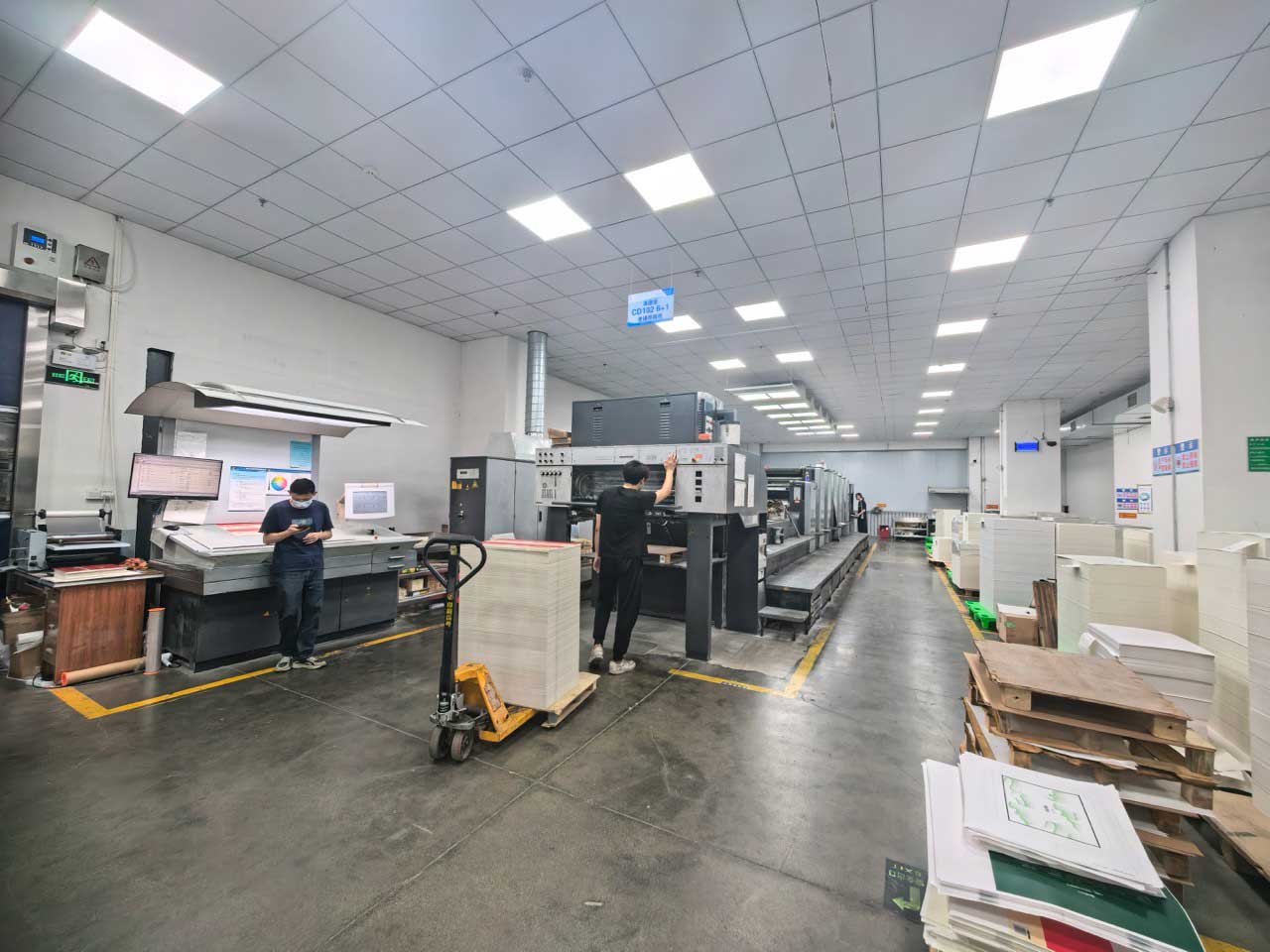
The first thing to understand is that a huge share of "manufacturers" you'll find on Alibaba or at trade shows are trading companies. They don't own molds, they don't run injection machines, and when your order hits a snag, they're just forwarding your complaint to someone else. Ask directly: do you own the tooling? Can I see the injection molding floor on a video call? A genuine factory will happily walk you through the production line. A middleman will stall, send stock photos, or promise a "factory visit" that keeps getting rescheduled.
This distinction matters more for cosmetics than almost any other category. Your jar or bottle touches the formula directly. A pump with the wrong elastomer can leach plasticizers into a serum. A dropper bulb made from cheap rubber can degrade and contaminate essential oils. Real manufacturers know their resin grades and can supply migration test reports, MSDS documentation, and food-grade or cosmetic-grade certifications. Trading companies usually can't.
My rule of thumb: if the supplier can't tell you which resin they use for a PETG bottle versus a PCTA jar without checking with someone, keep looking. That hesitation is the tell.
Decoration, tolerances, and the details that ruin a launch
Packaging quality lives or dies in decoration. Hot stamping that's 0.5mm off-center, a silk screen with pinholes, or a soft-touch coating that scuffs in transit — these are the things customers photograph and post on social media. When you evaluate a cosmetic packaging manufacturer, request physical samples with your actual artwork applied, not just blank stock. And specify the decoration method in writing: pad printing, screen printing, hot foil, UV coating, anodizing for aluminum. Each has different tolerance windows and different minimum order quantities.
Color matching deserves its own conversation. Pantone matching on plastic is not the same as on paper. Ask whether they'll provide a color master or a sprayed sample for approval before mass production. Good factories build in a pre-production sample stage; weak ones jump straight from digital proof to a 50,000-unit run.
Then there's the question of tolerances on the closure. A cap that threads on with a 2mm gap looks cheap. A pump that doesn't fully depress because the dip tube is 3mm too long feels broken. These aren't abstract concerns — they're the difference between a product that photographs well and one that gets returned. Ask for the factory's standard tolerance spec and, more importantly, ask to see a finished, filled, and drop-tested sample.
MOQs, lead times, and regional sourcing realities
Minimum order quantities vary wildly by region and by stock versus custom. Stock bottles from a Chinese manufacturer might start at 1,000–3,000 units; custom molds often require 10,000–30,000. European factories frequently quote higher MOQs but offer shorter lead times and easier compliance with EU cosmetics packaging regulations. Domestic US suppliers sit somewhere in between, with the advantage of faster sampling and no ocean freight delays.
Lead times are where optimism gets punished. A quoted 25-day production window rarely includes sampling rounds, artwork approval, Chinese New Year shutdowns, or port congestion. If you're launching in Q4, you need to be placing orders in Q2 — full stop. I've seen brands miss holiday windows because they treated a 45-day quote as a 45-day promise. Build in a 30% buffer and confirm whether the factory has backup capacity if a machine goes down.
For brands sourcing from Asia, factor in inspection. Third-party QC before shipment costs a few hundred dollars and saves thousands in rework. For European or North American sourcing, ask about Incoterms and who handles customs — a detail that quietly eats margins if nobody owns it.
One more thing worth saying plainly: the cheapest quote is almost never the cheapest outcome. Packaging is the first physical touchpoint a customer has with your brand. Paying 15% more for a supplier who answers questions, hits tolerances, and ships on time is the best money you'll spend in the entire product development cycle.
recommended for you

Get in touch with us