


How to Choose a Corrugated Box Manufacturer That Won't Sink Your Margins
2026-11-02
Roughly 90% of all products shipped in the United States travel in a corrugated box at some point. That single statistic explains why the corrugated packaging market keeps growing even when retail slows down — almost nothing moves without a box around it. For anyone sourcing packaging, though, the number means something more practical: the manufacturer you pick sits directly between your product and your customer, and a weak choice shows up as crushed corners, late deliveries, and margins that quietly erode.
What separates a reliable corrugated box manufacturer from one that just quotes a low price? The answer rarely lives in the quote sheet. It lives in the plant. Ask about flute profiles and board grades and you'll learn quickly whether a supplier understands your product or is simply running a generic line. A box built from C-flute single wall handles stacking strength differently than one made from E-flute, which is thinner but prints beautifully and suits retail shelf displays. If your supplier can't explain why they'd recommend one over the other for your specific load weight and shipping route, that's a signal. I've seen brands save 15% on unit cost only to lose it twice over in damage claims during peak season. The cheapest board is rarely the cheapest box.
Lead times deserve the same scrutiny. Corrugated supply chains are regional by nature — shipping empty boxes long distances is essentially shipping air, so most smart buyers source within a few hundred miles of their fulfillment center. If you're operating in the Midwest, a manufacturer in Ohio or Indiana will typically beat a coastal supplier on both freight cost and turnaround, even at a slightly higher unit price. On the coasts, look for plants near major ports if you import components, or near your 3PL if you ship direct. Ask any candidate about their corrugator capacity and how they handle surge orders. A manufacturer running at 95% utilization during Q4 won't have room for your emergency reorder, no matter what the contract says. Do they stock your board grade, or do they order it in? That question alone filters out half the field.
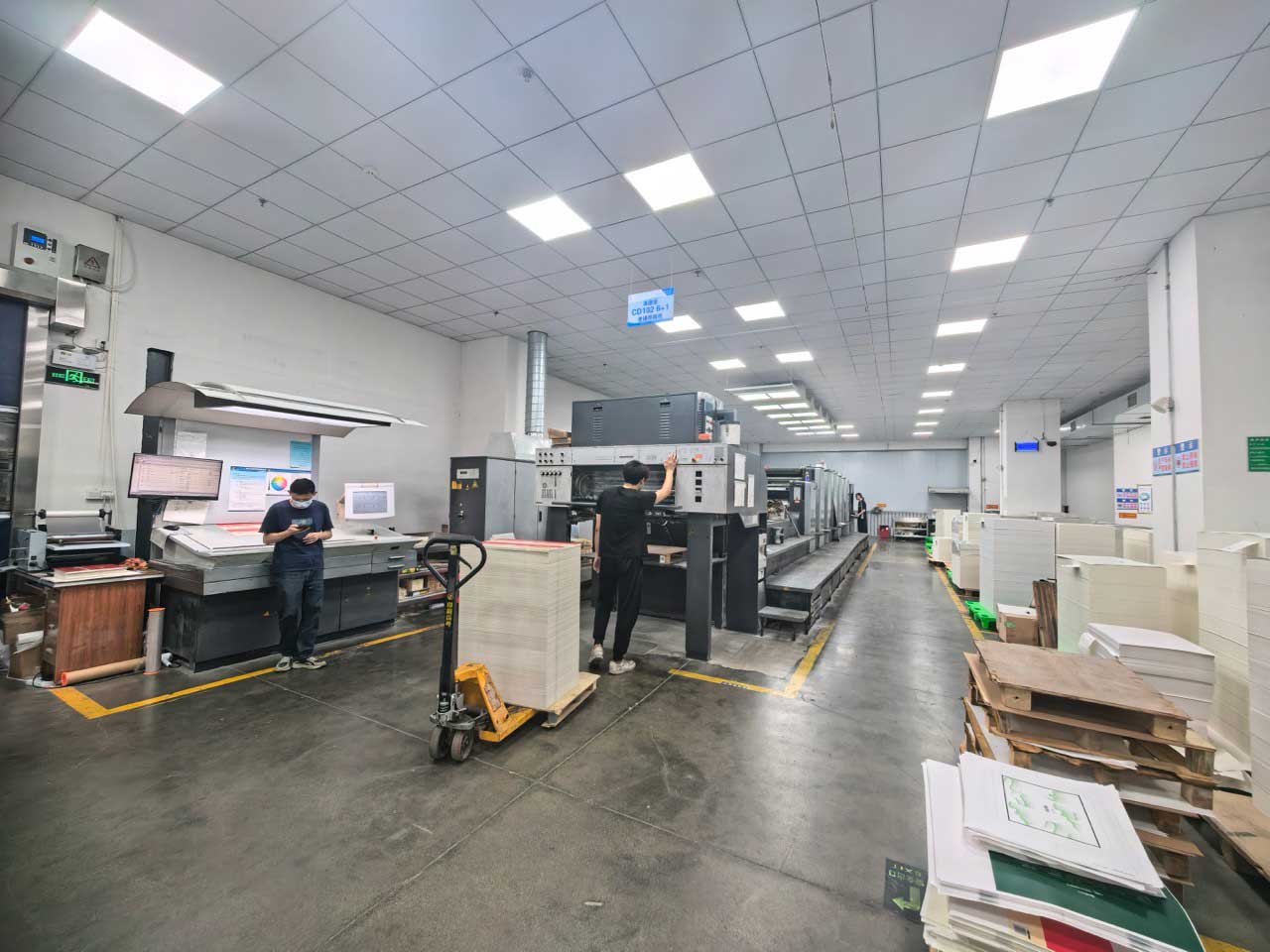
Then there's the matter of customization and testing. Can the manufacturer produce die-cut designs, or are they limited to standard RSC styles? Will they run edge crush and burst tests and share the results, or do you have to take their word for it? Brands shipping fragile or high-value goods should insist on sample runs before committing to volume — a good supplier expects this and builds it into the timeline. Sustainability credentials matter too, and not just for marketing. Corrugated is already one of the most recycled materials on earth, with recovery rates above 90% in the U.S., but buyers increasingly want documentation: FSC certification, recycled content percentages, and water-based ink options. A manufacturer who can produce that paperwork without scrambling is a manufacturer who runs a tight operation. One more thing — visit the plant if you can. Watching how they handle a changeover tells you more about quality control than any brochure ever will.
None of this is glamorous work, and that's precisely the point. Packaging sourcing rewards the buyer who asks boring questions early — about board grade, plant location, capacity headroom, and test data — because those questions prevent the expensive surprises later. The right manufacturing partner won't just cut and glue your boxes; they'll tell you when your current spec is overbuilt, when a lighter flute would do, and when a design change could cut your freight bill. Treat the relationship as a supply chain decision rather than a purchasing transaction, and the boxes will keep doing their quiet job: protecting what's inside and protecting your bottom line at the same time.
recommended for you

Get in touch with us