


How to Choose a Magnetic Gift Box Supplier Without Getting Burned
2026-11-02
The supplier you pick matters more than the box itself — a beautiful magnetic closure means nothing if the hinges fail, the magnets rust, or the factory disappears mid-order. I've watched brands burn months and thousands of dollars on suppliers who looked great on Alibaba and collapsed under a real production run, so this is the conversation I wish someone had forced on me years ago.
Magnetic gift boxes sit in a strange category. They're premium packaging, which means buyers expect rigid board, crisp lamination, and magnets that snap shut with a satisfying click every single time. But they're also produced at scale, which means the supplier has to be a real manufacturer or a very well-connected trading company — not a middleman reselling from a workshop that changes names every season. Getting that distinction right is most of the battle.
What actually separates a good magnetic box supplier from a risky one
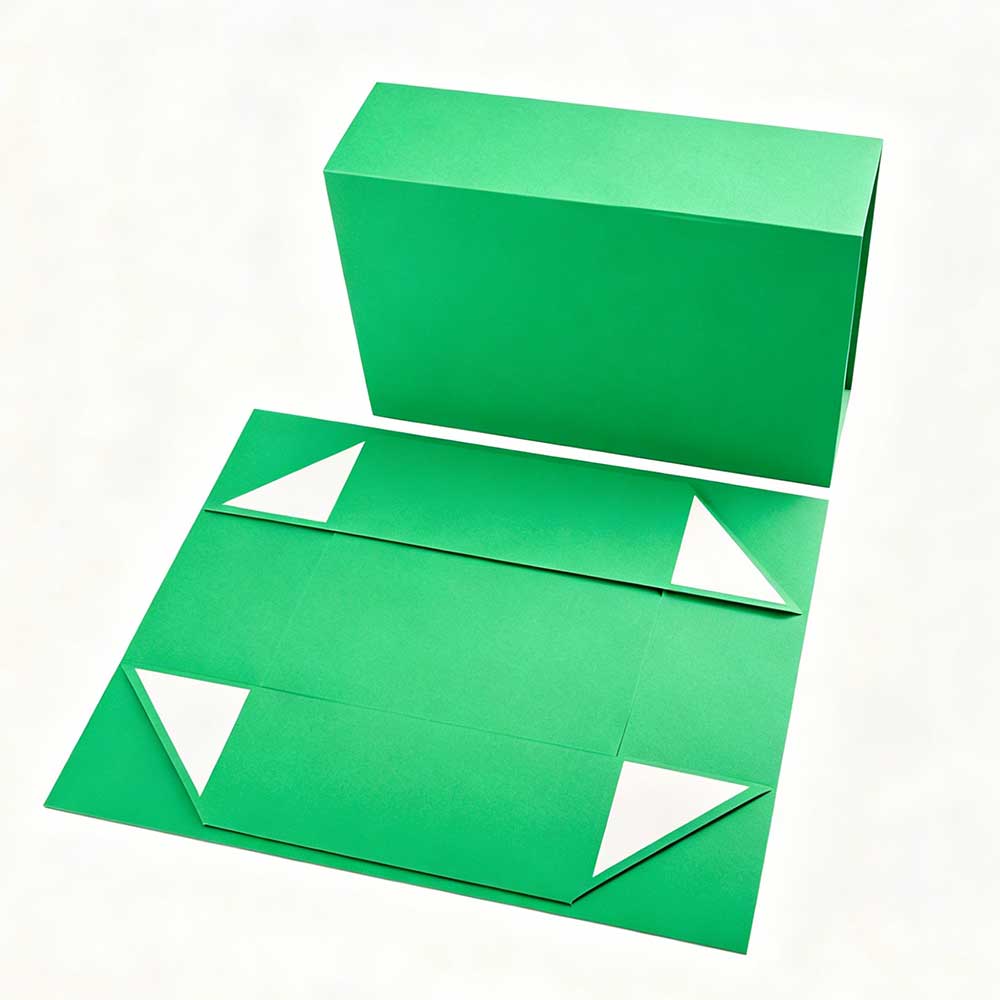
First, understand what you're really buying. A magnetic gift box is a rigid setup box with concealed neodymium or ferrite magnets embedded between the greyboard and the wrap paper. The construction involves die-cutting, gluing, magnet insertion, and hand assembly — several steps where quality can quietly slip. A supplier worth your time will talk about greyboard thickness (1.5mm to 2.5mm is typical for premium boxes), magnet grade and pull force, and how they prevent the magnet from showing through the wrap. If they can't answer those questions without checking with someone else, that's your first red flag.
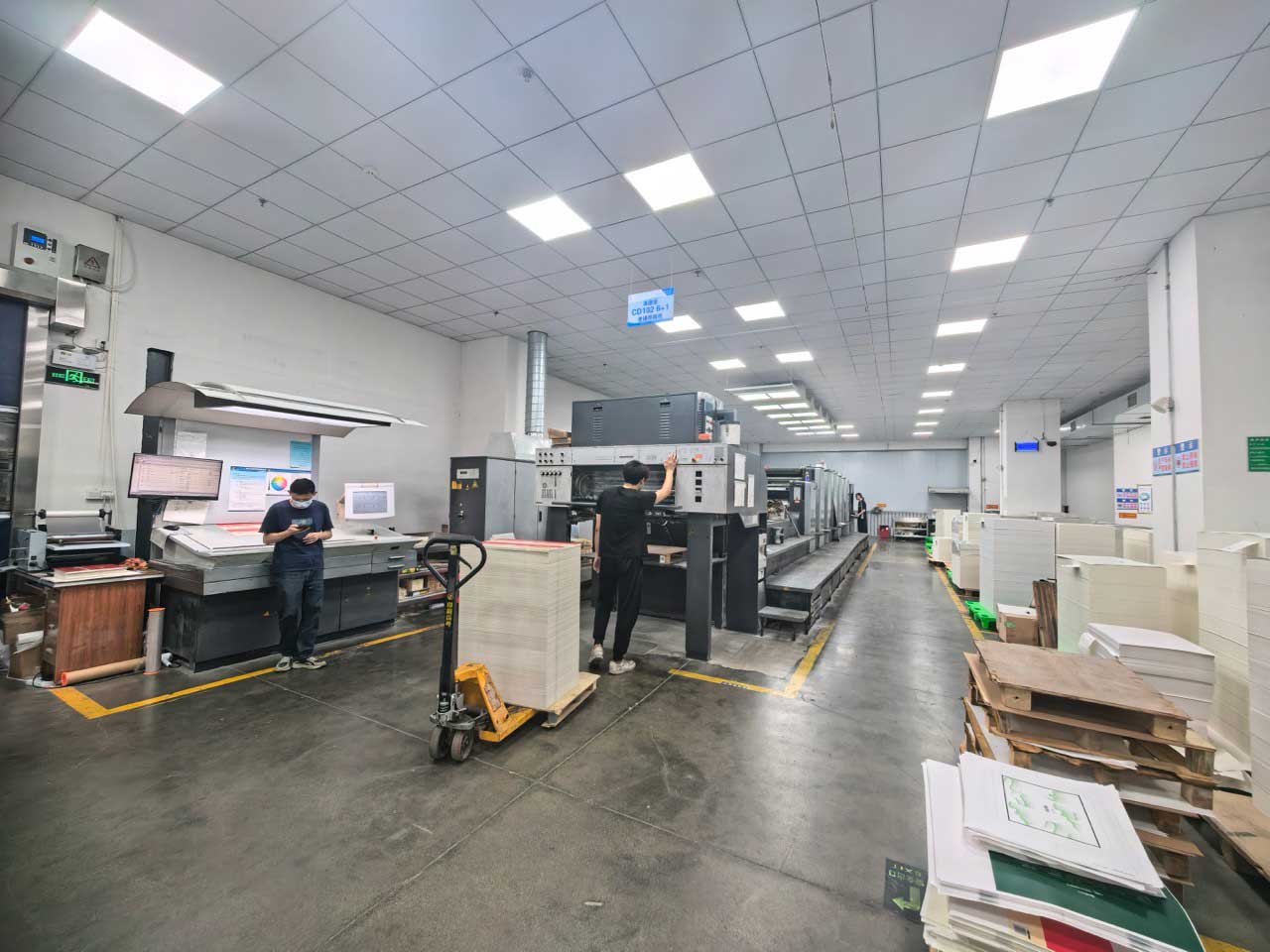
Second, look at their actual capability. Do they run their own die-cutting and gluing lines, or do they outsource assembly to home-based workers? Both models exist and both can work, but the outsourced model makes consistency harder and lead times less predictable. Ask for a video walkthrough of the production floor. Suppliers with nothing to hide will send one within a day. The ones who stall are usually hiding something — a rented showroom, a borrowed sample, or a workshop that doesn't match the photos.
Third, and this is where most buyers get lazy: request a pre-production sample with your exact artwork, your magnet spec, and your wrap material. Not a stock sample. A real one. Yes, it costs money and adds two weeks. It also tells you whether their color matching holds up, whether the magnets align properly, and whether the box closes flush. I've seen suppliers nail the sample and then deliver production units with magnets installed backwards. The sample won't catch everything, but it catches enough to be worth it.
Why the cheapest quote usually costs the most
Magnetic boxes are labor-heavy. Magnet insertion alone can be a slow manual step, and hand assembly of the inner tray adds more. When a quote comes in 30% below everyone else, something is being cut — thinner greyboard, weaker ferrite magnets instead of neodymium, cheaper wrap paper that scuffs in transit, or skipped QC. None of those show up until your customers open the box.
There's also the compliance angle, which buyers in the EU, UK, and North America increasingly can't ignore. Packaging regulations around recyclability and heavy metals are tightening, and a supplier who can't produce material declarations or FSC certificates is a liability. If you're shipping into Germany or France, ask specifically about packaging registration and material reporting — the rules there are stricter than most buyers realize, and the paperwork burden falls on you, not the factory.
Lead times deserve the same skepticism. A supplier quoting 15 days for a custom magnetic box run is either lying or planning to rush your order through a crowded line. Realistic timelines for custom rigid boxes are 25 to 40 days including production and pre-shipment inspection, plus transit. Build buffer into your launch calendar. Every brand I know that skipped the buffer paid for it in expedited freight.
How to vet and work with a supplier so the relationship actually holds
Start with a small trial order — 200 to 500 units — before committing to a full run. It's the cheapest insurance you'll ever buy. Use that trial to test not just the product but the communication: how fast do they respond, do they flag problems proactively, do they send production photos without being asked? A supplier who communicates well on a small order will usually communicate well on a big one. The reverse is almost never true.
Get everything in writing. Magnet grade and dimensions, board thickness, wrap material and finish, tolerance for color variation, packaging method for export, and the inspection standard you'll use. Vague purchase orders are where disputes are born. If you're sourcing from manufacturing hubs in Guangdong or Zhejiang, factor in Chinese New Year — production effectively stops for three to four weeks, and orders placed in December often slip into March. Plan around it rather than fighting it.
Finally, treat the relationship as long-term. Suppliers prioritize repeat buyers, and a factory that knows your specs will catch errors before they ship. Pay on time, give clear feedback on samples, and don't pit five suppliers against each other on every order — you'll get quotes, but you won't get loyalty, and loyalty is what gets your order prioritized when capacity tightens.
The box is the first physical thing your customer touches, and the supplier behind it determines whether that moment lands or falls flat. Choose for capability and communication over the lowest number on the quote sheet, verify with a real sample and a small trial run, and you'll end up with packaging that does its job — quietly, reliably, order after order.
Recomendado para ti


Ponte en contacto con nosotros