

How to Choose a Reliable Paper Box Supplier for Your Packaging Needs
2026-11-02
A few months ago, a small skincare brand in Portland reached out to me in a panic. Their packaging order had arrived with the wrong board thickness, the print colors were muddy, and their launch date was three weeks away. The culprit wasn't a bad design—it was a paper box supplier chosen in a hurry based on price alone. That story isn't unusual. It happens to startups and established brands alike, and it's the reason I keep coming back to one question: how do you actually tell a good packaging partner from a mediocre one before you've spent a dime?
What follows is what I've learned from years of working with converters, brokers, and factory-direct suppliers across North America, Europe, and Asia. Some of it is technical, some of it is gut instinct, and all of it comes from watching good and bad sourcing decisions play out in real time.
What Separates a Real Paper Box Supplier from a Middleman
The packaging industry is full of layers. A quick search for a paper box supplier will surface hundreds of results, and a surprising number of them are brokers who don't own a single die-cutter. That's not automatically a problem—good brokers add value through coordination and quality control—but you need to know who you're actually dealing with. Ask directly: do you manufacture in-house, or do you outsource? A supplier who hesitates or gives a vague answer is telling you something.
Factory-direct relationships usually mean better pricing on volume and more control over lead times. Brokers, on the other hand, can be more flexible on small runs and often handle logistics more smoothly. Neither is inherently better. The mistake is assuming you're talking to a manufacturer when you're actually three steps removed from the production floor.
Questions that reveal the truth quickly
Ask for their production capacity per month, the number of printing units on their presses, and whether they can share a recent client reference in your industry. A legitimate supplier will answer all three without flinching. I also like to request a physical sample of a box they've recently produced for someone else—not a generic sample kit, but an actual finished job. The difference between a showroom sample and a real production run is often where quality problems hide.
Certifications matter more than you think
If you're selling in the EU or shipping to major retailers, FSC certification isn't optional anymore. Ask for the certificate number and verify it. The same goes for food-grade compliance if your boxes touch consumables. I've seen brands get burned because a supplier claimed "eco-friendly materials" without any documentation to back it up. Sustainability claims without paperwork are just marketing noise.
How to Evaluate Quality, Pricing, and Lead Times Together
Price alone tells you almost nothing. A quote that's 30% below everyone else usually means thinner board, fewer print passes, or a factory that's cutting corners on drying time. What you want is a supplier who can explain their pricing structure—board grade, print method, finishing, and freight—line by line. If they can't break it down, they're either hiding something or they don't understand their own costs.
Lead times deserve the same scrutiny. Ask what happens when a job runs late. Do they have backup capacity? Will they air-freight at their cost if they miss the deadline? Get it in writing. Verbal assurances evaporate the moment a problem appears.
Regional considerations worth knowing
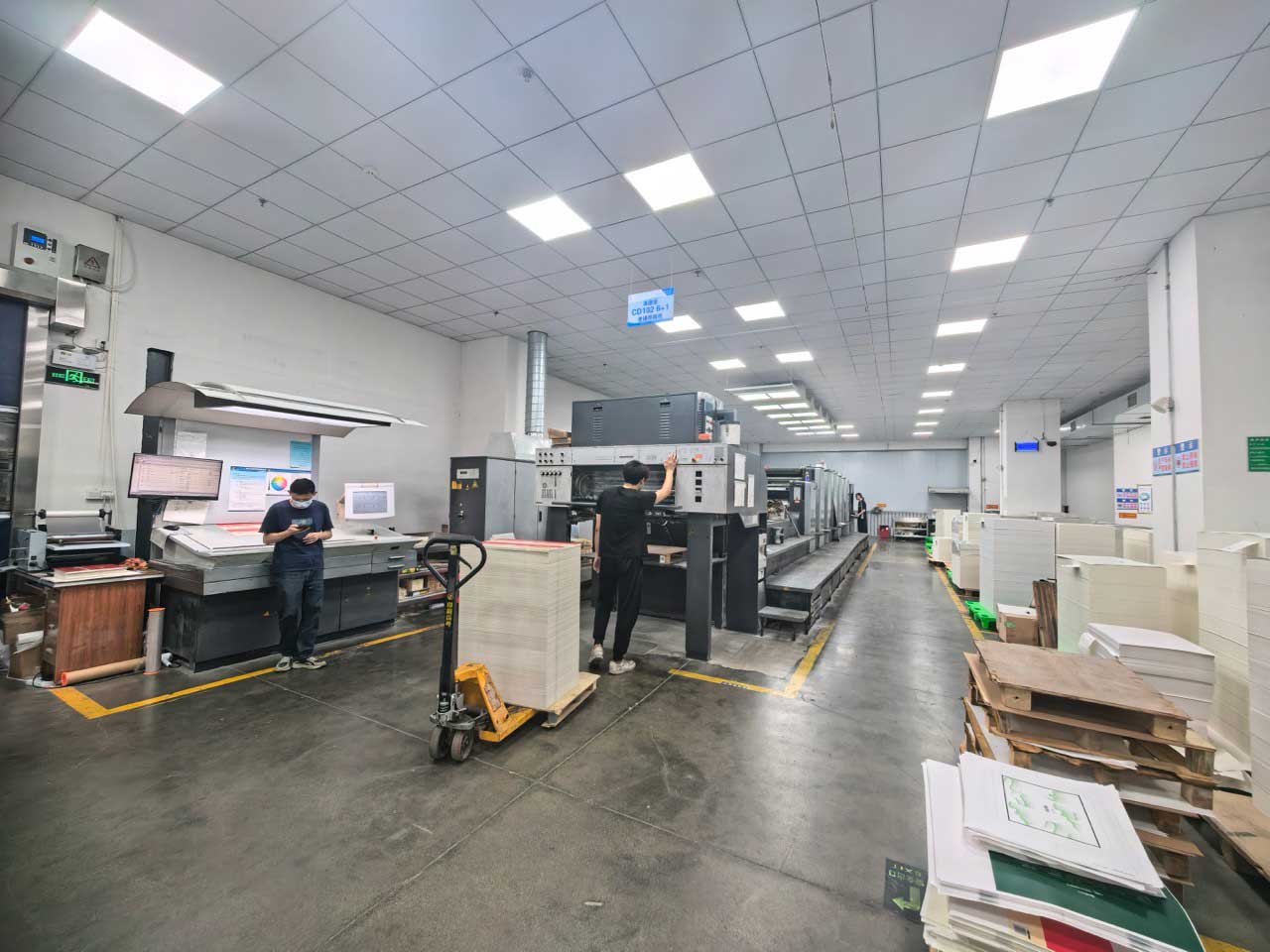
If you're sourcing from Asia, build in buffer time for ocean freight and customs—six to eight weeks total is realistic, not pessimistic. European suppliers often offer shorter lead times and easier communication but at a higher unit cost. For North American buyers, domestic suppliers in the Midwest and Southeast tend to balance cost and speed well, especially for mid-volume runs. Wherever you source, visit the factory if you can, or at least do a video walkthrough. Seeing the floor tells you more than any brochure.
Why the sample stage is non-negotiable
Never approve a full production run without a physical pre-production sample in your hands. Check the board caliper with a micrometer, fold the box multiple times to test crease quality, and compare the print against your Pantone references under natural light. I once caught a color shift that only appeared under daylight—fluorescent factory lighting had masked it entirely. Small details like that are exactly what your customers will notice on a shelf.
Back to that skincare brand in Portland. They switched suppliers, paid a bit more per unit, and got their boxes on time with the right board and clean color. The launch went fine. The lesson wasn't that cheap suppliers are always bad—it's that the cheapest quote rarely reflects the true cost once mistakes, delays, and reprints are factored in. Choose a paper box supplier the way you'd choose any long-term partner: ask hard questions, verify the answers, and test before you commit. Your packaging is the first physical touchpoint your customer has with your brand. It's worth getting right.
Recomendado para ti
Ponte en contacto con nosotros