


How Fast Can a Custom Gift Box Supplier Actually Ship Your Order?
2026-11-02
Most gift packaging box manufacturers can ship a standard order in 10 to 15 business days, but that single number hides a lot. The real timeline depends on whether your boxes are stock or custom, how complex the printing is, and where the factory sits relative to your door. I've watched buyers assume "two weeks" and then panic when a custom rigid box with foil stamping took five. So before you promise your client a delivery date, it pays to understand what actually happens between your purchase order and the tracking number.
What "shipping time" really means for a gift box manufacturer
Here's the thing people mix up constantly: production time and shipping time are two different clocks. When a supplier quotes you "12 days," ask them point-blank whether that includes manufacturing. Often it doesn't.
Production itself splits into stages. For a simple folding carton with one-color print, a factory might need 5 to 7 working days once artwork is approved. Add lamination, spot UV, embossing, or magnetic closures, and you're looking at 12 to 20 days. Rigid boxes — the kind used for jewelry, perfume, or premium gift sets — are hand-assembled in many workshops, so 15 to 25 days is realistic. Then there's the sample round, which alone can eat a week if you request a physical proof.
Shipping is a separate beast. Express couriers like DHL or FedEx move small batches in 3 to 7 days internationally. Sea freight for bulk orders runs 25 to 40 days depending on the route. If your manufacturer is in Shenzhen or Yiwu and you're in the US or Europe, factor in customs clearance too — a day or two on a good week, longer if paperwork is sloppy.
So when someone asks "how long does a gift packaging box manufacturer take to ship," the honest answer is: anywhere from a week to six weeks, and the variables matter more than the average.
Why the timeline swings so wildly between suppliers
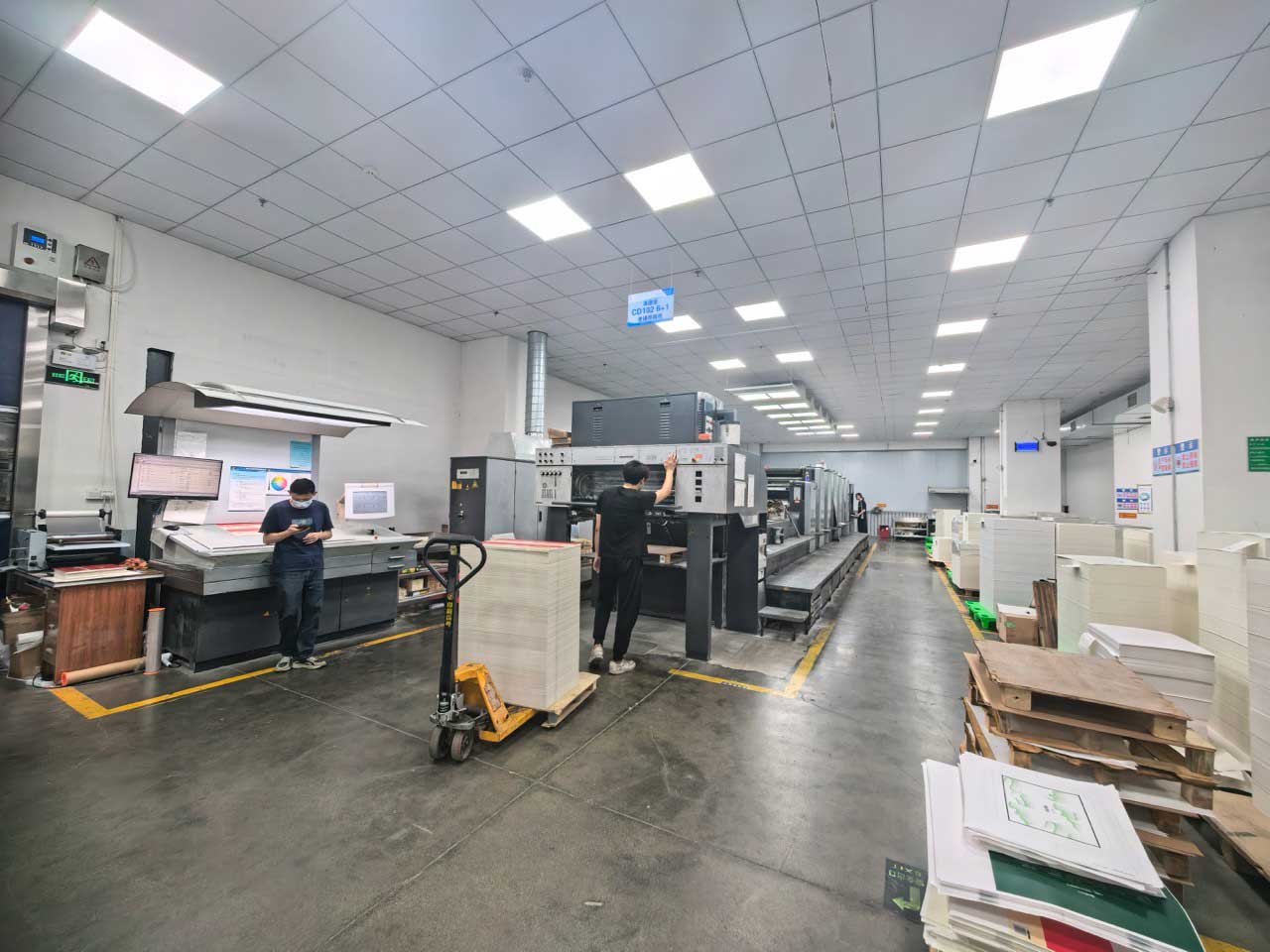
Not all factories are built the same, and that shows up in delivery dates. A large exporter with in-house printing, die-cutting, and assembly under one roof can compress production because nothing gets outsourced. Smaller workshops often farm out foil stamping or lamination to third parties, and every handoff adds days — sometimes a week if the subcontractor is backed up.
Order volume plays a role too. A 500-piece run slots into a production schedule easily. A 50,000-piece run for a holiday season needs to be booked months ahead, and factories prioritize clients who plan early. I've seen buyers get quoted 30 days in September for an order that would have taken 15 in June, simply because everyone else was rushing Christmas packaging at the same time.
Material availability is the quiet killer. Specialty papers, magnetic snaps, ribbon pulls — if the factory doesn't stock them, procurement adds 3 to 10 days. Eco-friendly kraft board and recycled rigid chipboard have gotten easier to source, but certain imported textured papers still cause delays. Ask your supplier directly: "Are all materials in stock right now, or do you need to order them?" The answer tells you more than any standard lead-time chart.
Geography matters as well. A manufacturer based near a major port ships faster and clears customs more smoothly than one inland. If you're sourcing from Asia and selling in North America, a West Coast port of entry usually beats an East Coast one for transit time, though seasonal congestion can flip that.
How to get a realistic ship date and keep it
Start by asking for a written production schedule, not a verbal estimate. A good supplier will break it down: artwork approval, material procurement, printing, finishing, assembly, quality check, packing, and dispatch. If they can't give you that breakdown, that's a red flag.
Approve your artwork fast. Every day you sit on a proof is a day added to the back end. I've learned to review dielines and color proofs within 24 hours and to flag issues immediately rather than sitting on them. Buyers who drag their feet on approvals are the ones who miss their deadlines, not the factories.
Build buffer into your own planning. If the quoted lead time is 15 days, tell your client 20. That cushion absorbs the small hiccups — a reprint of one panel, a courier delay, a customs query — without blowing up your reputation. For peak seasons like Q4 or Valentine's Day, add another week on top. Factories are honest about capacity until they're not, and holiday crunches are real.
Consider splitting your order. A small air-freight batch of 200 to 500 boxes can arrive in under two weeks and cover your launch or your key accounts, while the bulk travels by sea at a fraction of the cost. Plenty of experienced buyers do exactly this for gift packaging, and it's a smart hedge against long ocean transit times.
Finally, ask about the factory's location and shipping terms early. FOB, CIF, DDP — each shifts responsibility and time. If you're not sure which Incoterm fits your situation, get your freight forwarder involved before you place the order, not after.
The takeaway is simple: a gift packaging box manufacturer's ship date is never just one number. It's a chain of decisions — your design complexity, your order size, your approval speed, and your choice of freight. Get those right, and the timeline stops being a gamble and starts being a plan you can actually stand behind.
Recomendado para ti
Ponte en contacto con nosotros