

How to Source Custom Gift Boxes Wholesale Without Getting Burned
2026-11-02
If you've ever tried to buy custom gift boxes wholesale, you know the drill: you send out ten quote requests, get five replies, and maybe two of them actually answer your questions. The rest send a price list and disappear. This guide is for the small business owner, the Etsy seller, the corporate gifting coordinator — anyone who needs branded packaging in volume but doesn't have a procurement department. We'll cover how to vet suppliers, what actually drives your per-unit cost, and the mistakes that turn a "great deal" into a warehouse full of boxes you can't use.
What separates a real wholesale partner from a reseller with a website?
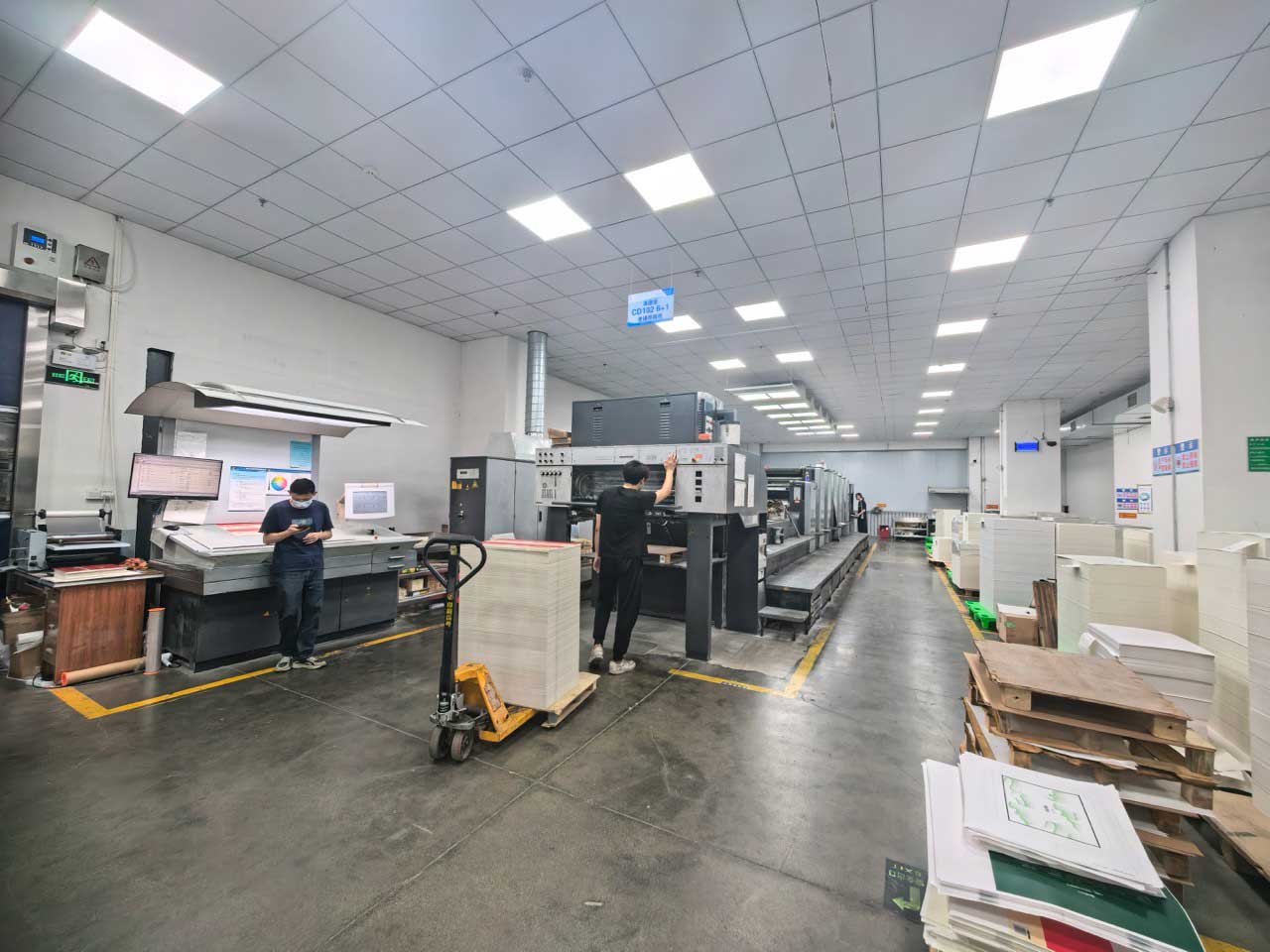
Plenty of sites advertise custom gift boxes wholesale, but a surprising number are middlemen who mark up a factory's price by 40% and add two weeks to the timeline. Ask directly: do you own the production line, or do you outsource? A legitimate manufacturer will happily tell you where their facility is and may even offer a video walkthrough. A reseller gets vague.
Here's a question worth asking early: "What's your minimum order quantity for a custom-printed rigid box?" If the answer is 500 units with no flexibility, that tells you they're running large offset jobs and your small run isn't a priority. Many factories now offer 100–200 unit minimums for digital printing, which is a game-changer for seasonal gift campaigns. I've seen sellers waste months negotiating with a supplier who was never set up for small batches in the first place.
Also, request physical samples before committing. Not just a photo — an actual box with your artwork printed on it. A supplier who resists sending a pre-production sample is telling you something. Reputable ones charge for it (usually $50–$150, sometimes credited toward your order) and that's fine. What matters is whether the sample matches the spec sheet.
Where your money actually goes in a wholesale gift box order
New buyers tend to fixate on the unit price and ignore everything else. But the quoted price per box is only part of the story. Tooling and setup fees — the die-cut plate, the printing plates, the structural sample — can add several hundred dollars to a first order and then vanish on reorders. Always ask for a full landed-cost breakdown: unit price, setup, shipping, duties, and any inspection fees.
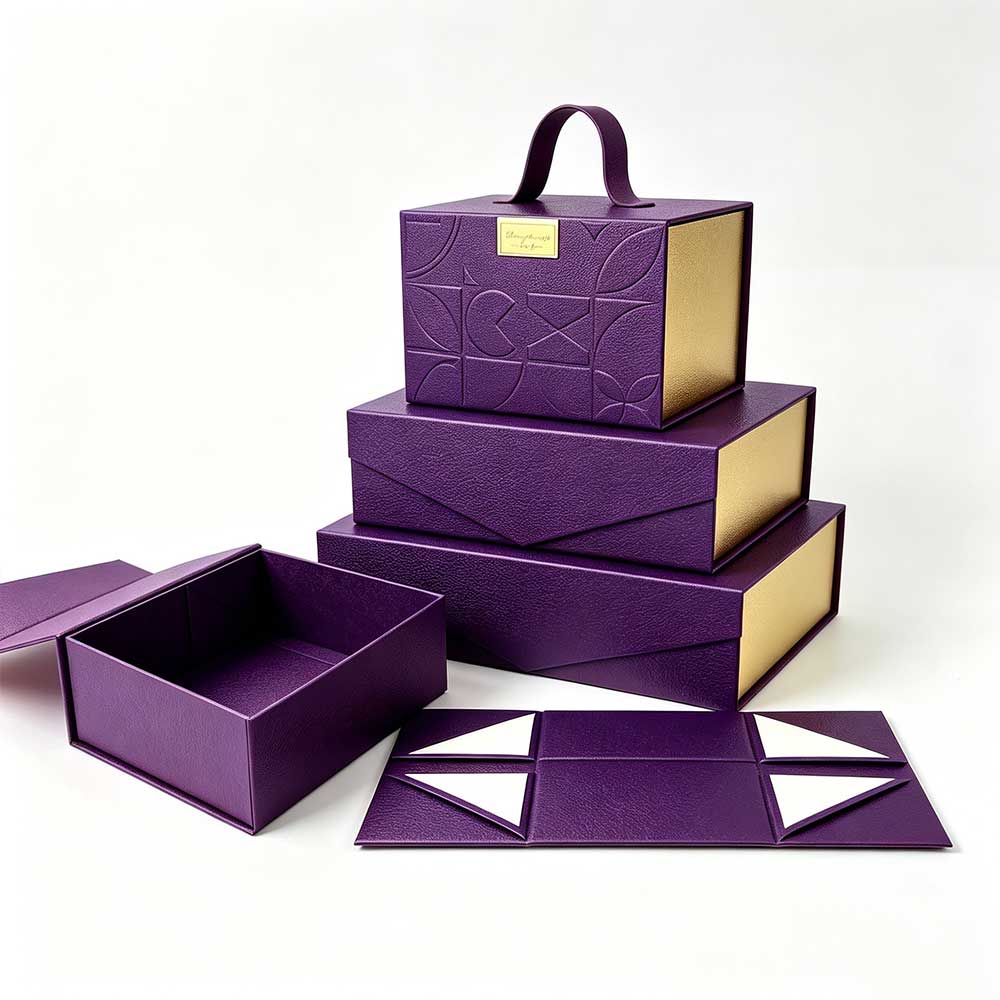
Material choice moves the needle more than most people expect. A rigid box wrapped in 157gsm art paper costs noticeably less than one wrapped in textured specialty paper or soft-touch laminate. Magnetic closures, ribbon pulls, EVA foam inserts — each adds cost and, more importantly, production time. If you're sourcing for a holiday launch, place your order by late August. Factories in Guangdong and Zhejiang get slammed from September onward, and lead times stretch from 15 days to 35 or more.
Regional differences matter too. If you're shipping to the US, a supplier in Vietnam or Mexico can sometimes beat Chinese pricing on landed cost once you factor in tariffs and ocean freight timelines. For European buyers, Polish and Turkish box makers have become genuinely competitive on mid-volume runs. Don't assume the cheapest FOB quote wins — calculate the door-to-door number.
How do you avoid the classic wholesale packaging pitfalls?
Color matching is the one that bites hardest. Your brand's Pantone color will look different on coated paper versus uncoated, and different again under factory lighting versus your office. Request a Pantone proof on the actual substrate before the full run. It costs a little and saves a lot of arguing.
Another trap: vague specs. "Sturdy cardboard" means nothing. Specify board thickness in millimeters, closure type, and whether the box needs to survive e-commerce shipping or just sit on a retail shelf. I've watched brands receive beautiful boxes that crushed in transit because nobody specified a corrugated outer mailer. Write the spec sheet yourself and have the supplier sign off on it.
Finally, think about the unboxing moment from your customer's side. A custom gift box wholesale order is an investment in how your product feels when someone opens it. Tape residue, misaligned printing, a lid that doesn't sit flush — these details get photographed and posted. Choose a supplier who treats a 200-unit order with the same care as a 20,000-unit one, and you'll have a packaging partner for years rather than a one-time transaction.
được đề xuất cho bạn
Hãy liên hệ với chúng tôi