

How to Pick a Gift Box Supplier You Won't Regret
2026-11-02
Choosing a gift packaging box manufacturer is less about finding the cheapest quote and more about finding a partner who understands that your packaging is the first physical touchpoint your customer has with your brand. Get it wrong and you're not just out of pocket — you're handing your customer a flimsy, badly printed box that quietly undermines everything your marketing has been promising.
I've watched brands burn through three or four suppliers in a single season because they treated sourcing as a procurement checkbox rather than a relationship decision. The ones who get it right tend to follow a similar path: they understand what actually separates a good manufacturer from a mediocre one, they know why that distinction matters to their bottom line, and they approach the selection process with a clear method rather than a vague hope.
What really separates a capable gift box manufacturer from the rest
Most buyers start by comparing price lists. That's the wrong first move. A manufacturer's real value shows up in three places: material consistency, structural engineering capability, and communication discipline. Material consistency means the paperboard weight and finish you approve on the sample is the same on the ten-thousandth unit. Structural engineering matters because a beautiful rigid box that collapses under the weight of a candle set is a design failure, not a manufacturing one — but a good manufacturer will catch it before you do.
Communication discipline is the one people overlook. Does the sales rep answer questions about MOQs and lead times with specifics, or with vague reassurance? Ask something pointed, like how they handle color variance across a print run, and listen carefully. The answer tells you more than any brochure.
Certifications matter too, especially if you're shipping into the EU or North America. FSC-certified paper, REACH compliance, and ISO 9001 aren't just badges — they're signals that the factory has systems in place. If you're sourcing from regions like Guangdong or Zhejiang in China, or from Vietnam and India, ask directly which certifications the specific production line holds, not just the trading company.
Why the wrong supplier costs far more than a higher unit price
Here's the math most buyers miss. A supplier quoting 15% less per unit but delivering two weeks late on a seasonal order can wipe out your entire margin on that campaign. Delayed packaging means delayed fulfillment, which means angry retail partners and customers who've already moved on.
Then there's the hidden cost of rework. Poorly glued corners, misaligned foil stamping, color drift between the box lid and the base — these don't just look bad, they generate returns and complaints that dwarf any savings. I've seen a brand spend more on replacement shipments in one quarter than they saved across an entire year of "cheap" sourcing.
And don't underestimate the cost of management time. A supplier who needs constant chasing, who sends unclear proofs, who can't answer technical questions without escalating to someone else — that friction compounds. Your team's hours have a price, even if it never appears on an invoice.
How to actually run the selection process
Start with a shortlist of five to seven manufacturers, not twenty. Request samples of comparable work — not their showpiece, but something close to your spec. Evaluate the sample against your own criteria: board thickness, print registration, surface finish, how the box feels when you open it. That tactile moment matters enormously for gift packaging.
Then ask for a paid sample run of your actual design before committing to a production order. Yes, it costs money. It's the cheapest insurance you'll ever buy. A manufacturer confident in their process won't hesitate; one who pushes back or gets evasive is telling you something.
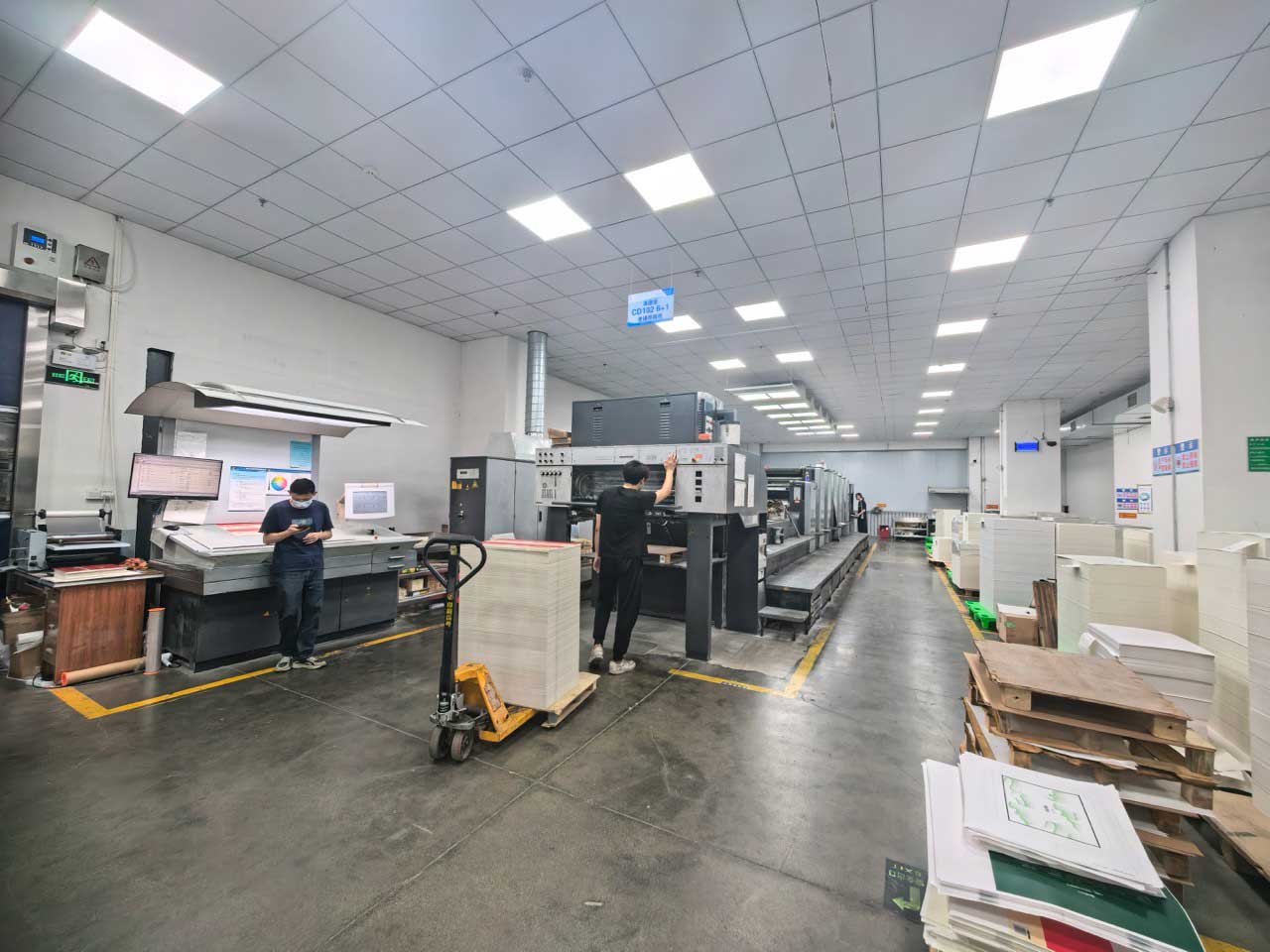
During sampling, test their responsiveness deliberately. Send a mid-project question on a Friday afternoon and see how long the reply takes. Ask for a video walkthrough of the production floor. If they're sourcing through a trading company rather than a factory, that's fine — but you should know, because it affects lead times and problem resolution.
Finally, negotiate terms that protect you: a clear defect rate threshold, a defined process for handling quality disputes, and staged payments tied to milestones. Get the packaging spec — board grade, print method, finish, dimensions with tolerances — written into the contract, not just discussed over email.
None of this is glamorous work. But the brands whose unboxing videos get shared, whose packaging feels considered rather than generic, didn't get there by luck. They chose their manufacturing partner the way they'd choose any long-term collaborator: carefully, with clear eyes, and with a willingness to pay for reliability rather than gamble on a bargain.
được đề xuất cho bạn


Hãy liên hệ với chúng tôi