

How to Choose a Reliable Packaging Box Factory for Your Brand
2026-11-02
Every brand that ships a physical product eventually faces the same question: who is going to make the box it arrives in? It sounds simple until you start calling around. Some factories quote a price in ten minutes and disappear when you ask about sampling. Others send beautiful catalogs but can't handle a rush order in December. I've spent years working with packaging suppliers across Asia, Europe, and North America, and the pattern is always the same — the factories that look identical on a website are wildly different once production starts. So let's talk about what actually separates a good packaging box factory from one that will cost you a season of delays.
What Really Matters When Vetting a Packaging Box Factory
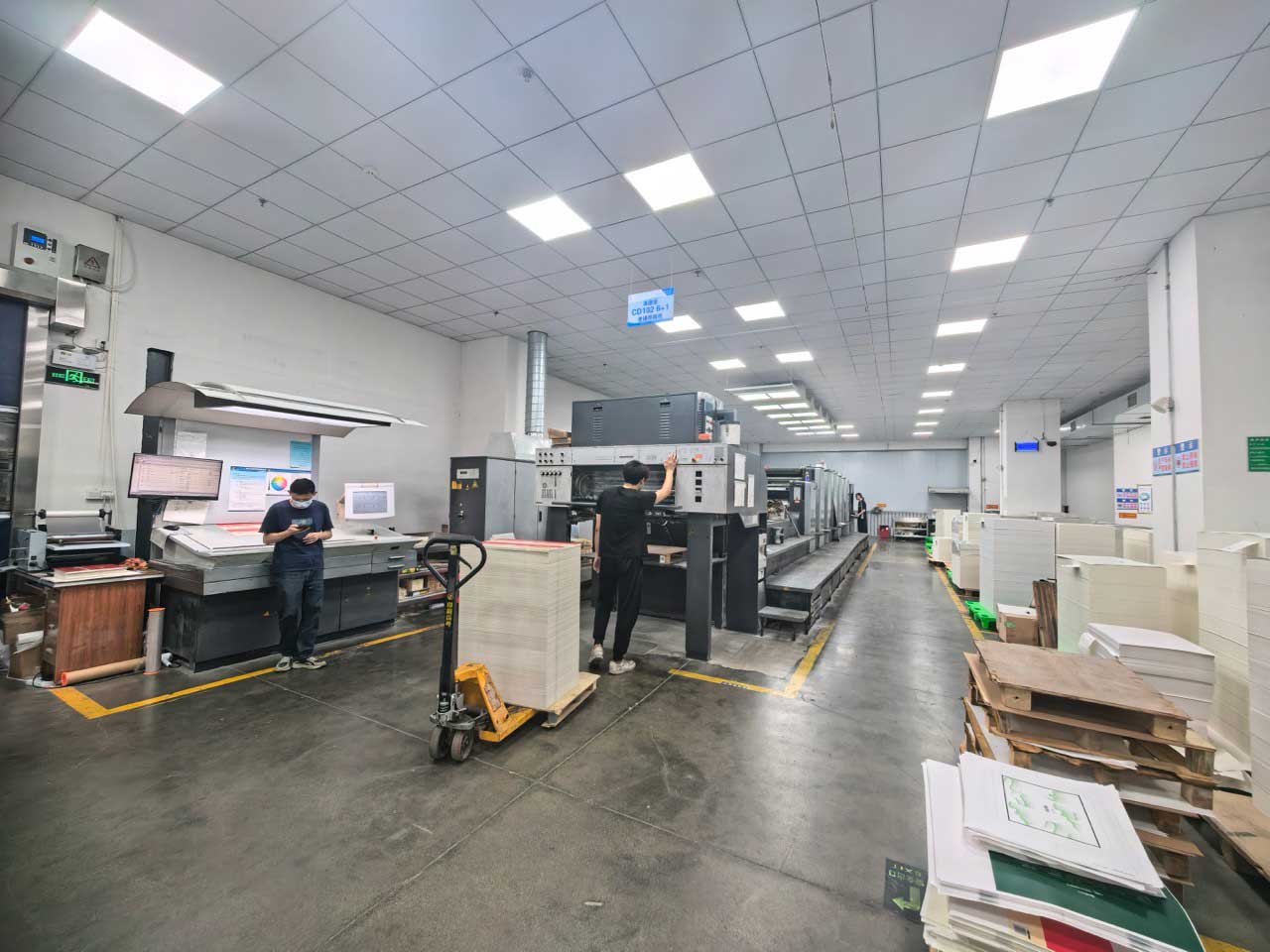
Most buyers start with price per unit. That's backwards. Price is the last thing you should compare, because a cheap quote from a factory with no quality control system will cost you far more in reprints, chargebacks, and lost customers. What I look at first is whether the factory can show me its production floor — not a stock photo, but a live video call or a recent audit report. Corrugated box manufacturing involves specific equipment: die-cutters, flexo printers, gluing lines. If a supplier can't tell you which machines run your job, they're probably brokering it to someone else.
Second on my list is sample turnaround. A factory that takes three weeks to produce a white sample is telling you something about how they'll handle your reorder in peak season. Ask for a dieline first, then a physical prototype. The way they communicate during sampling — how fast they respond, whether they flag material substitutions — predicts the entire relationship.
Q: How do I verify a packaging box factory is legitimate before placing a large order?
A: Start small but not too small. Place a trial order at roughly 10-20% of your expected volume, and pay attention to three things: whether the delivered dimensions match the approved dieline, whether the print registration is consistent across the run, and whether the factory proactively shares production photos. Legitimate factories are proud of their work and will document it. Also ask for their business license and, if importing, check whether they hold certifications like FSC for sustainable board or ISO 9001 for quality management. A factory that hesitates on paperwork is a factory you should walk away from.
Q: Should I choose a factory near my market or one overseas with lower costs?
A: It depends on your order profile. If you're shipping fragile goods or running frequent small batches, a regional factory within a few hundred kilometers often wins — freight on empty corrugated is brutal, and shorter lead times let you react to demand. For large seasonal runs where you can plan months ahead, overseas production in hubs like Guangdong or Vietnam can cut unit costs by 30-50%. My rule of thumb: if your packaging cost exceeds 15% of product value, local sourcing deserves a serious look even at a higher unit price.
Reading the Signals During Negotiation and Production
Here's something few buyers do: ask the factory what their busiest month is. The answer tells you when to schedule your order and when to expect communication to slow down. Factories that serve e-commerce clients peak around Q4; those serving agricultural exporters peak before harvest. Aligning your production calendar with their slow season gets you better attention and sometimes better pricing.
Material specs are another place where experience pays off. A factory that suggests downgrading from double-wall to single-wall board to hit your target price without asking about your stacking and shipping conditions is not consulting you — they're selling you. Good suppliers push back. They'll ask about pallet height, humidity during transit, whether the box ships parcel or LTL. That kind of questioning is a green flag.
Q: What contract terms protect me when working with a new packaging box factory?
A: Insist on a pre-production sample signed off by both parties, and make that sample the contractual standard. Include a tolerance clause for dimensions and print color — something like 2mm and a Delta E of 2 or less for color. Payment terms matter too: 30% deposit is standard, but hold the balance until you've inspected a portion of the shipment, not just received photos. If the factory resists inspection clauses, that's information you should use.
Q: How do I handle quality problems after the boxes arrive?
A: Document everything immediately — photos of defects, counts of affected units, and the batch codes if the factory uses them. Most reputable factories will offer a credit or replacement on verified defects, but only if you report within the window stated in your agreement, often 15-30 days. The bigger lesson: build a relationship where you can call the production manager directly. Factories fix problems faster for buyers they know by name than for buyers who only exist as a purchase order number.
Looking back at the suppliers I've kept versus the ones I've dropped, the difference was never really about equipment or even price. It came down to whether the factory treated my order as a partnership or a transaction. The best packaging box factory I've worked with once called me unprompted to warn that a board shortage would delay a shipment by four days — and offered to air-freight a partial batch at their cost so my launch stayed on schedule. That call cost them money and earned years of business. When you're evaluating suppliers, look for that instinct. Ask them how they've handled a crisis for another client. The answer will tell you more than any brochure ever could.
consigliato per te
Contattaci