

How to Choose a Luxury Packaging Manufacturer Without Getting Burned
2026-11-02
A boutique fragrance brand in Lyon once ordered 5,000 rigid boxes from a supplier who promised "Italian-quality" craftsmanship at a suspiciously low price. The samples looked fine. The bulk shipment arrived with misaligned foil stamps, glue bleeding through the wrap, and a paper stock that felt closer to cereal carton than couture. By then, the launch date was three weeks away and the marketing budget was already spent. That story is not unusual — and it is exactly why the question of how to vet a luxury packaging manufacturer deserves more attention than it usually gets.
Luxury packaging is a strange category. It sits at the intersection of manufacturing and brand theatre, where a millimeter of misregistration or a slightly off Pantone shift can undermine a product's entire perceived value. Yet many brands, especially smaller ones, choose suppliers the way they choose a hotel: by photos and price. The result is a market full of manufacturers who can produce a decent sample but cannot hold tolerance across a production run. What separates the reliable from the risky is rarely visible on a website.
What Actually Separates a True Luxury Packaging Manufacturer From a Box Maker
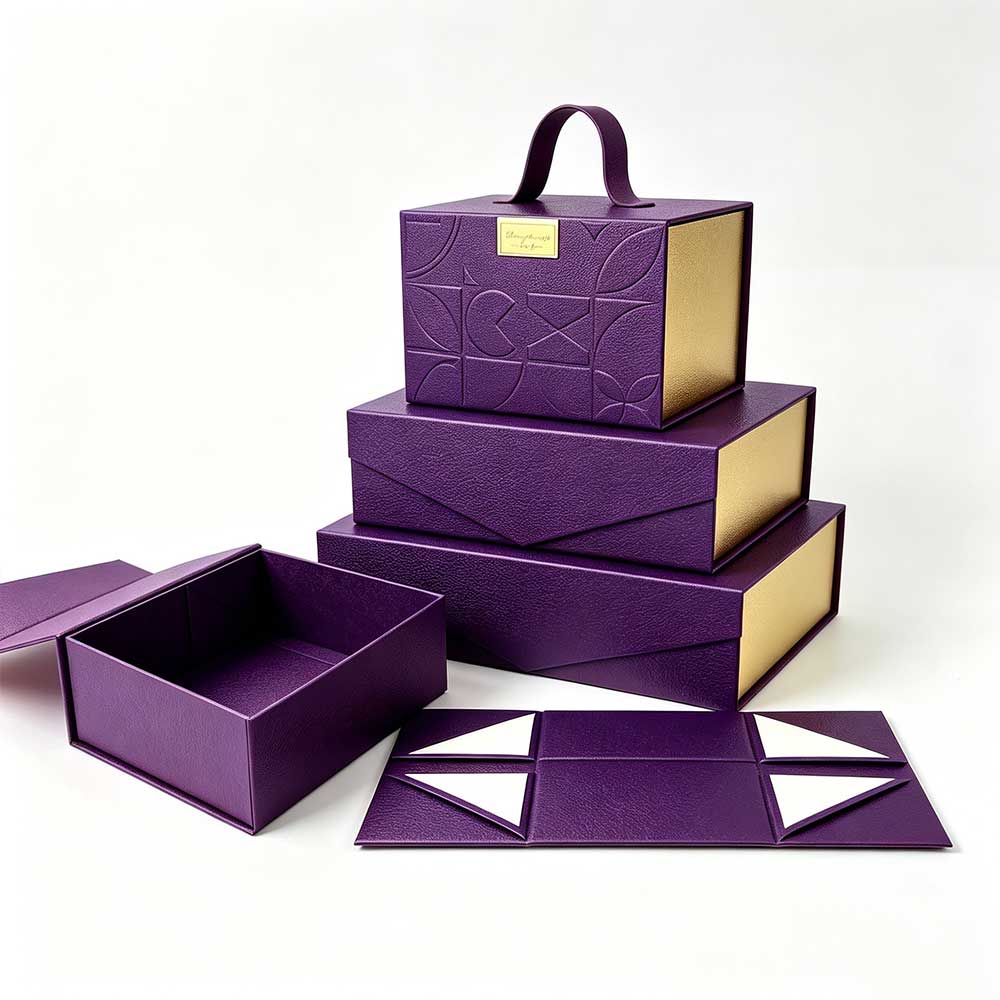
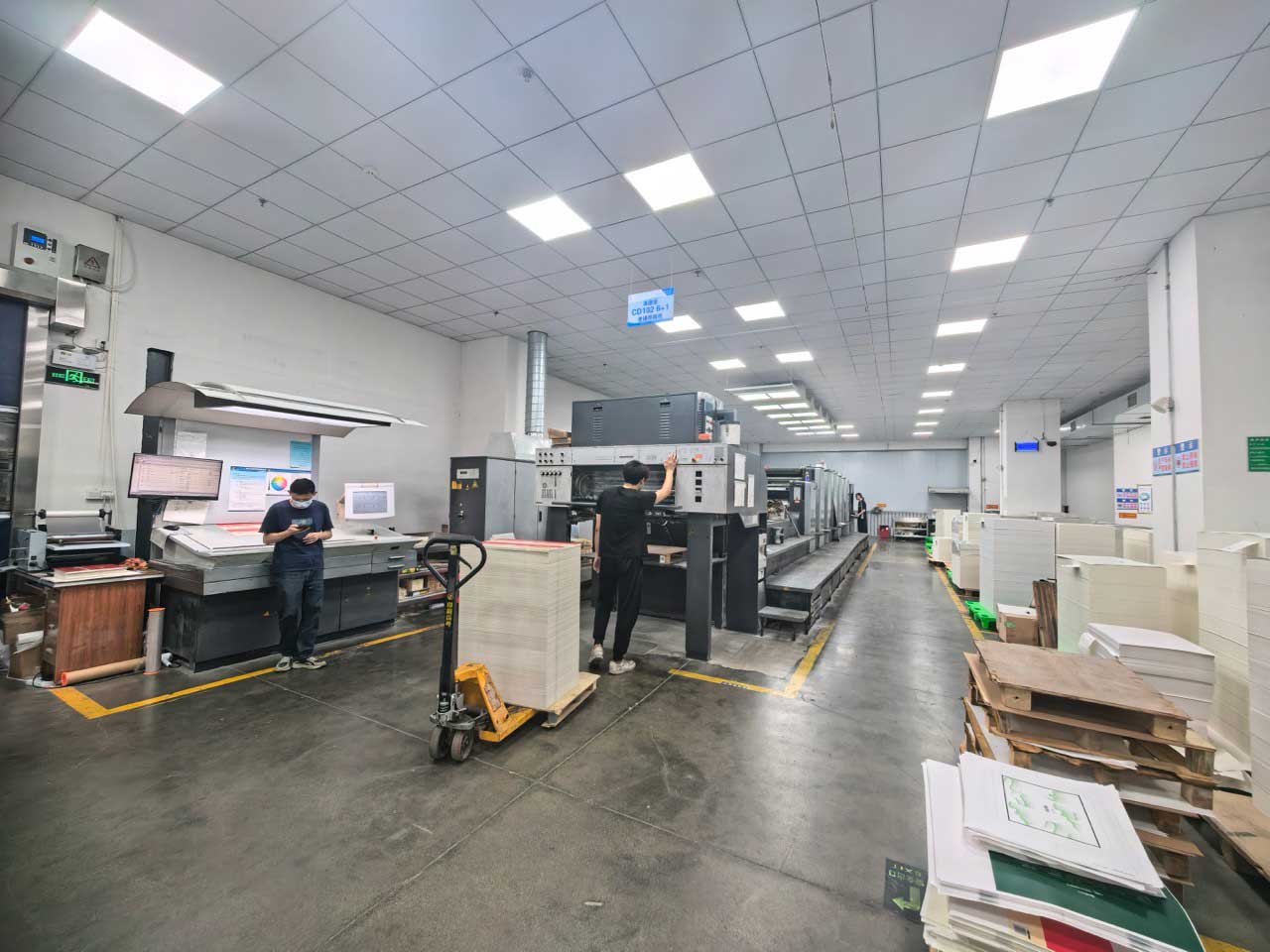
Most factories can fold cardboard. Far fewer can consistently deliver the tactile details that make unboxing feel expensive — soft-touch lamination that doesn't scuff, magnetic closures that snap with the right resistance, foil that sits flush without orange-peel texture. When I evaluate a luxury packaging manufacturer, I look first at their finishing capabilities, not their printing presses. Offset printing is commoditized; hot foil stamping, embossing registration, and hand-assembled rigid boxes are where quality collapses under scale.
Ask About Their Worst Production Run, Not Their Best
Any supplier will show you their finest work. A more revealing question: "Tell me about a batch that went wrong and how you handled it." Manufacturers who answer honestly — and describe a reprint, a credit, a process change — tend to be the ones worth working with. Those who claim zero defects in fifteen years are either lying or too small to have stress-tested their own systems. For brands sourcing from Asia, this matters doubly: time zones make problems harder to catch, so a supplier's transparency culture is your early-warning system.
Regional context helps here. If you're sourcing from Guangdong or Zhejiang, expect excellent rigid box capability but insist on third-party inspection before shipment. If you're working with European manufacturers in Italy or Germany, labor costs push minimum order quantities higher, but finishing consistency is usually stronger. Neither region is inherently better — the fit depends on your volume, timeline, and how much handwork your design demands.
The Questions That Reveal Whether a Supplier Can Scale With Your Brand
Sample quality tells you what a factory can do with unlimited attention. Production quality tells you what it does on a Tuesday afternoon when three other clients are also shipping. The gap between those two realities is where most luxury packaging relationships fail. So before signing anything, dig into capacity, material sourcing, and quality control in concrete terms.
Material Traceability and MOQ Realities
Where does their greyboard come from? What's the GSM tolerance on their wrap paper? Can they source FSC-certified stock, and do they charge a premium for it? A luxury packaging manufacturer that can't answer material questions precisely is likely buying whatever is cheapest that week — which means your third reorder may not match your first. Equally important: understand their true minimum order quantity and how it flexes. Some factories quote a low MOQ but quietly pad lead times for small runs, pushing your timeline into launch week.
One more thing worth asking, and few brands do: how do they handle color consistency across reorders? Pantone matching on the first run is table stakes. Holding that match six months later, with a different paper batch and a re-inked press, is the real test. Suppliers who keep physical color standards and retain production samples for each client tend to pass it.
Communication Speed Is a Quality Signal
Here's an unpopular opinion: response time during the quoting phase predicts production reliability better than any factory tour. If a supplier takes four days to answer a simple spec question before you've paid them, imagine the silence when a defect appears mid-run. I've learned to treat slow, vague pre-sales communication as a preview, not an anomaly. The manufacturers who send annotated photos, flag potential issues in your dieline, and ask clarifying questions early are the same ones who'll alert you to problems instead of hiding them.
For brands in North America or the UK working with overseas factories, build in a communication buffer: schedule weekly video check-ins during production, request photo updates at each stage, and never rely on email alone for approval of a critical detail. Time zones reward the prepared.
Back to that Lyon fragrance brand — they eventually found a new manufacturer, ate the cost of the ruined run, and delayed launch by a month. The boxes that finally shipped were beautiful. But the lesson wasn't about finding better boxes; it was about asking better questions before the deposit cleared. Luxury packaging is a trust purchase dressed up as a procurement decision. Treat the vetting process like the product itself — meticulous, unhurried, and unwilling to accept "close enough."
consigliato per te

Contattaci