

How to Choose an Eco-Friendly Packaging Supplier That Actually Deliv?
2026-11-04
Finding a genuinely eco-friendly packaging supplier matters more than most brands realize — the wrong partner can quietly undo your sustainability story before a single box reaches a customer.
I've spent years watching companies proudly announce "plastic-free packaging" only to discover their supplier was shipping virgin-pulp cartons wrapped in plastic film from a factory with no certification to its name. The gap between marketing and reality in this industry is wide, and it's getting wider as demand for green packaging explodes. So before you sign anything, here's how I think about vetting suppliers — what to look for, why it's harder than it sounds, and how to actually do it without losing your mind or your budget.
What "Eco-Friendly" Really Means When a Supplier Says It
Ask ten suppliers what makes their packaging eco-friendly and you'll get ten different answers. Some mean recycled content. Some mean compostable. Some mean "we plant a tree for every order," which is lovely but tells you nothing about the box itself. The term isn't regulated in most markets, so it functions as a vibe more than a standard.
What you want instead are specifics. Does the material carry FSC certification for paper fiber? Is the recycled content post-consumer or post-industrial — and what percentage, verified by whom? If they claim compostability, is it certified to a recognized standard like EN 13432 in Europe or ASTM D6400 in the US, and does it actually break down in a home compost bin or only in industrial facilities? Those distinctions matter enormously, and a good supplier will answer without flinching.
I also pay attention to what they don't claim. Suppliers who lead with certifications and material specs tend to be more trustworthy than those who lead with adjectives. Vague enthusiasm is a red flag.
Why the Supply Chain Behind the Box Matters as Much as the Box
Here's the part most buyers skip: the packaging itself can be perfect while the supply chain behind it is a mess. A compostable mailer shipped halfway around the world on a fossil-fueled freighter has a footprint that may outweigh its end-of-life benefits. That's not an argument against imported materials — sometimes there's no domestic alternative — but it's a reason to ask where things are made and how they get to you.
Regional differences are real here. If you're sourcing in North America, look for suppliers with domestic or nearshore manufacturing and clear documentation on fiber sourcing; the US and Canada have strong recycled-paper infrastructure but patchy composting access, so compostable packaging can be a tough sell depending on your customers' local waste systems. In the UK and EU, extended producer responsibility rules mean your supplier should understand packaging waste obligations — a good one will proactively flag them. In Southeast Asia and parts of Latin America, I'd push harder on labor and sourcing transparency, since certification coverage varies more widely.
And don't overlook the boring stuff: minimum order quantities, lead times, and whether they can scale with you. A supplier who's perfect at 500 units but vanishes at 50,000 isn't a partner, they're a phase.
How to Vet a Supplier Without Wasting Months
Start with a sample request and a short questionnaire — certifications, material composition, country of manufacture, end-of-life guidance. The quality of their answers tells you more than the samples themselves. Then ask for two or three references from customers in your size range, and actually call them. Ask what went wrong, not just what went right. Every relationship has friction; how a supplier handles it is the real test.
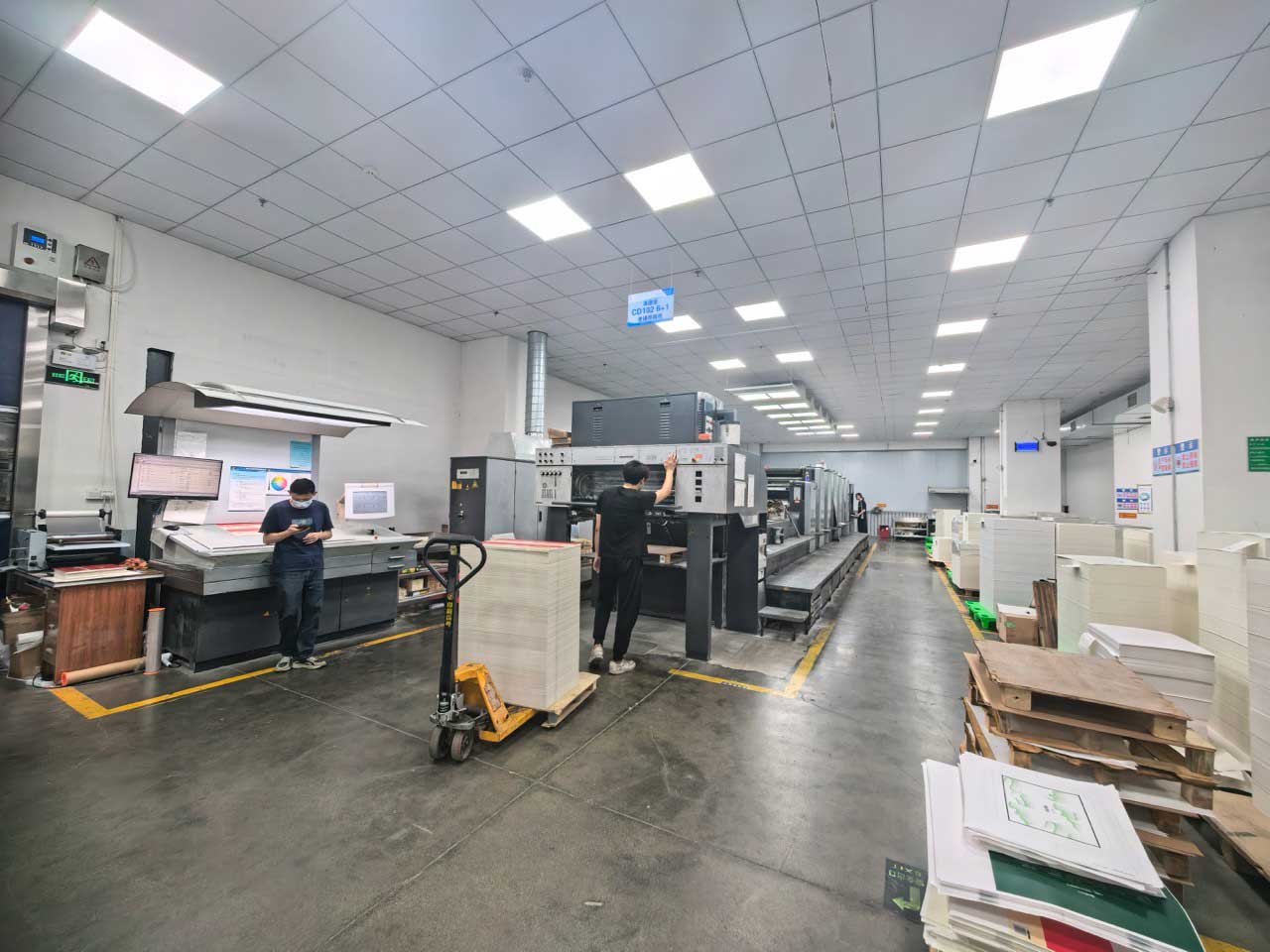
Request test reports for anything compostable or recycled-content, and verify certification numbers directly with the issuing body — it takes five minutes and I've caught inflated claims this way more than once. If you can, visit or video-tour the facility. You'll learn more in twenty minutes of seeing the floor than in twenty emails.
Finally, negotiate a trial period. A small initial order with clear performance expectations protects you both and gives you room to walk away if the reality doesn't match the pitch.
The supplier you choose becomes part of your brand's environmental story whether you like it or not — so choose the one whose story you'd be comfortable telling a customer face to face. Do the unglamorous verification work up front, and the packaging on your shelf will mean what you say it means.
आप के लिए अनुशंसित



हमारे साथ जुड़े