


The Engineering of Elegance: Design Principles for Foldable Gift Boxes
2026-09-14
Introduction
To the untrained eye, a foldable gift box is simply a piece of cardboard with some creases. To a packaging engineer, it is a complex puzzle of geometry, physics, and aesthetics. Creating a foldable box that is easy to assemble, structurally sound, and visually stunning is a significant design challenge. This article delves into the technical and artistic principles behind the perfect foldable gift box, from the die-cut line to the final fold.
The Die-Cut: The Blueprint of the Box
Everything begins with the die-cut. This is a custom tool made of sharp steel blades that cuts the shape of the box out of a flat sheet of cardboard. The die-cut also creates "score lines"—these are not cuts, but compressions that allow the cardboard to fold neatly without cracking. The precision of the die-cut is critical. If the score lines are too shallow, the box will not fold properly. If they are too deep, the cardboard will tear. For a foldable gift box, the die-cut must account for the thickness of the material to ensure the corners meet perfectly when folded.
The Geometry of the Fold
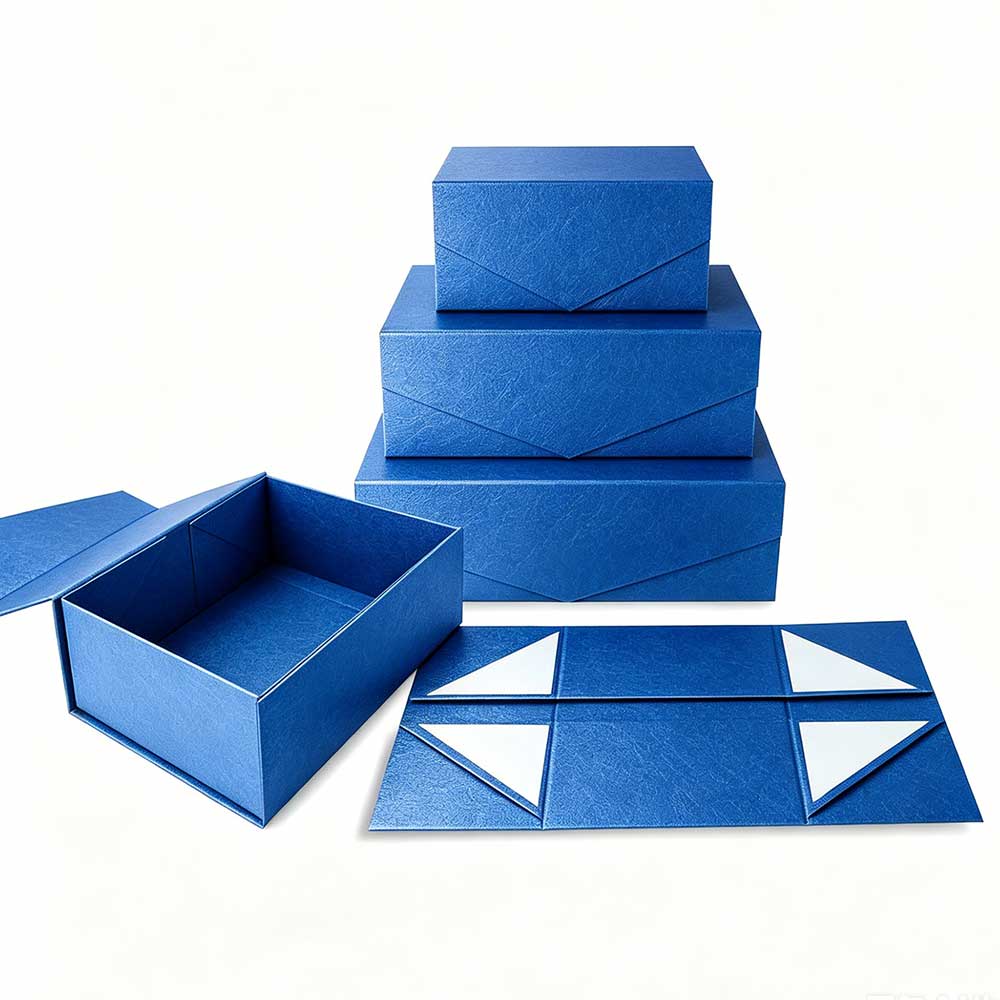
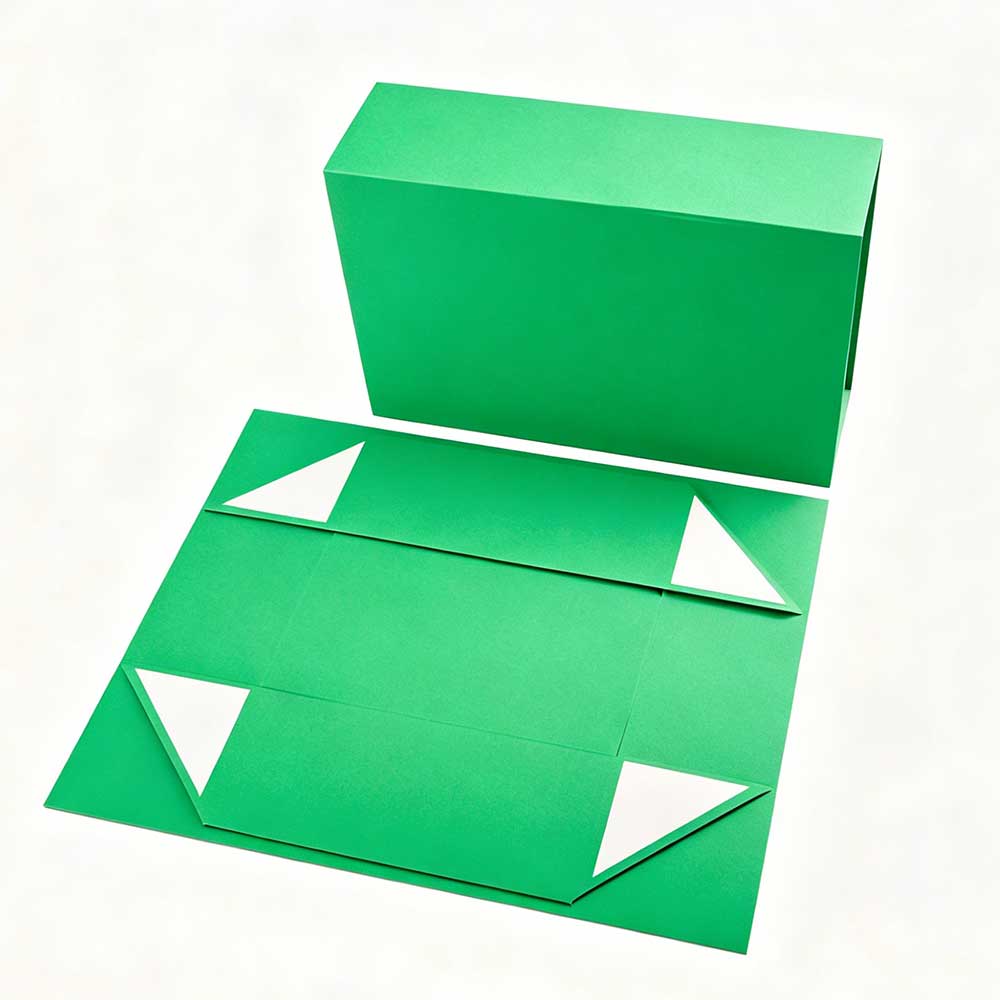
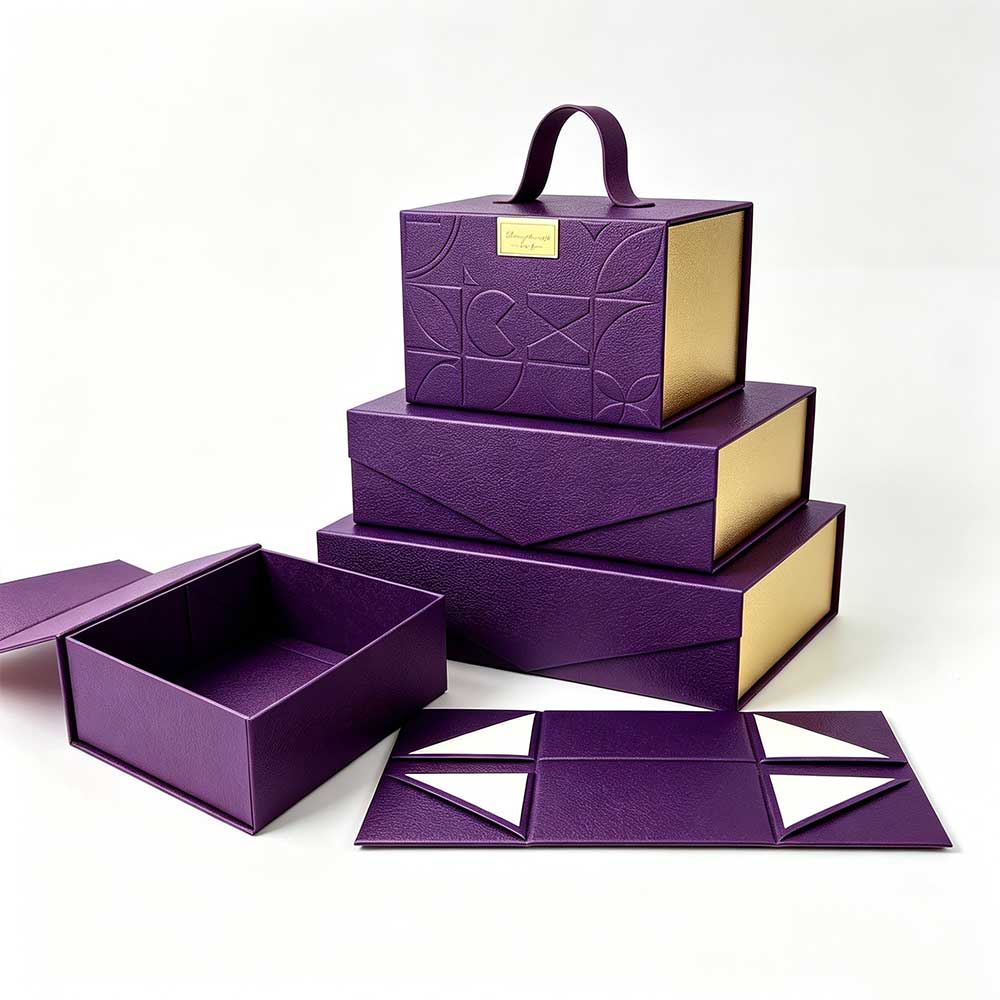
The most common foldable gift box is the "tuck-top" or "mailer" style. However, premium gift boxes often use a "collapsible rigid" design. This involves a rigid base and lid, but with a special folding mechanism on the sides. The "magic" of these boxes is in the corner folds. A well-designed corner will interlock without the need for glue, relying on friction and tension. This is known as a "crash-lock" bottom. The engineering challenge is to make the bottom strong enough to hold weight (like a heavy candle or a bottle of wine) while still being easy to collapse.
Aesthetics: The Visual Language of the Box
The design is not just structural; it is visual. The color, texture, and finish of the paperboard communicate the brand's identity. A luxury jewelry brand might choose a soft-touch matte lamination with gold foil stamping. A children's toy brand might choose a bright, glossy finish with playful patterns. Foldable boxes offer a unique advantage here: the flat surface allows for perfect printing. Unlike a pre-assembled box, which can be difficult to print on due to its 3D shape, a flat foldable box can be printed with high-resolution digital presses, ensuring flawless graphics.
The Role of Magnets and Ribbons
To elevate a foldable box to a "gift" box, designers often add closures. Magnetic closures are popular. This involves embedding small magnets into the cardboard flaps. The challenge is ensuring the magnets are perfectly aligned when the box is folded. Ribbons are another classic addition. A foldable box with pre-punched holes for a ribbon can be assembled and tied in seconds, adding a touch of elegance that a plain tuck-top box lacks.
Prototyping and Testing
The design process is iterative. Designers use CAD software to create the die-cut, then use a plotter cutter to create a physical prototype. This prototype is then folded, unfolded, and folded again to test for wear and tear. The "fold fatigue" test is crucial. A good foldable box should be able to be assembled and disassembled at least 10 times without looking worn. This ensures that the retailer can assemble it, the customer can open it, and the customer can re-use it.
Conclusion
Designing a foldable gift box is a balancing act. It requires an understanding of material science, structural engineering, and graphic design. The best foldable boxes are those where the engineering is invisible—where the box simply feels right. When a box folds effortlessly into a perfect cube with a satisfying snap, you know the design is a success.
recommended for you
Get in touch with us