


Which Materials Do Custom Gift Box Makers Actually Use?
2026-11-02
Most gift packaging boxes are made from a surprisingly small family of materials — paperboard, corrugated board, rigid chipboard, specialty papers, and a handful of finishing films and foams — and the real craft lies in how a manufacturer combines them. That's the short answer. The longer one matters because the material mix determines not just how a box looks on a shelf, but how it survives shipping, how it ages in a customer's hands, and how much it costs at scale. I've spent years watching buyers ask for "premium" without specifying anything, then get surprised when the sample feels flimsy. So let's walk through what's actually on a factory floor.
What goes into a gift box, layer by layer
Start with the structural core. Folding cartons — the kind that hold cosmetics, chocolates, or small electronics — are usually built from SBS (solid bleached sulfate) board, typically 250 to 400 gsm. It's bright white, prints beautifully, and folds crisply. If you need something sturdier and cheaper, you'll see FBB (folding box board) or uncoated recycled board, though recycled stock has a greyish tone that shows through light-colored inks.
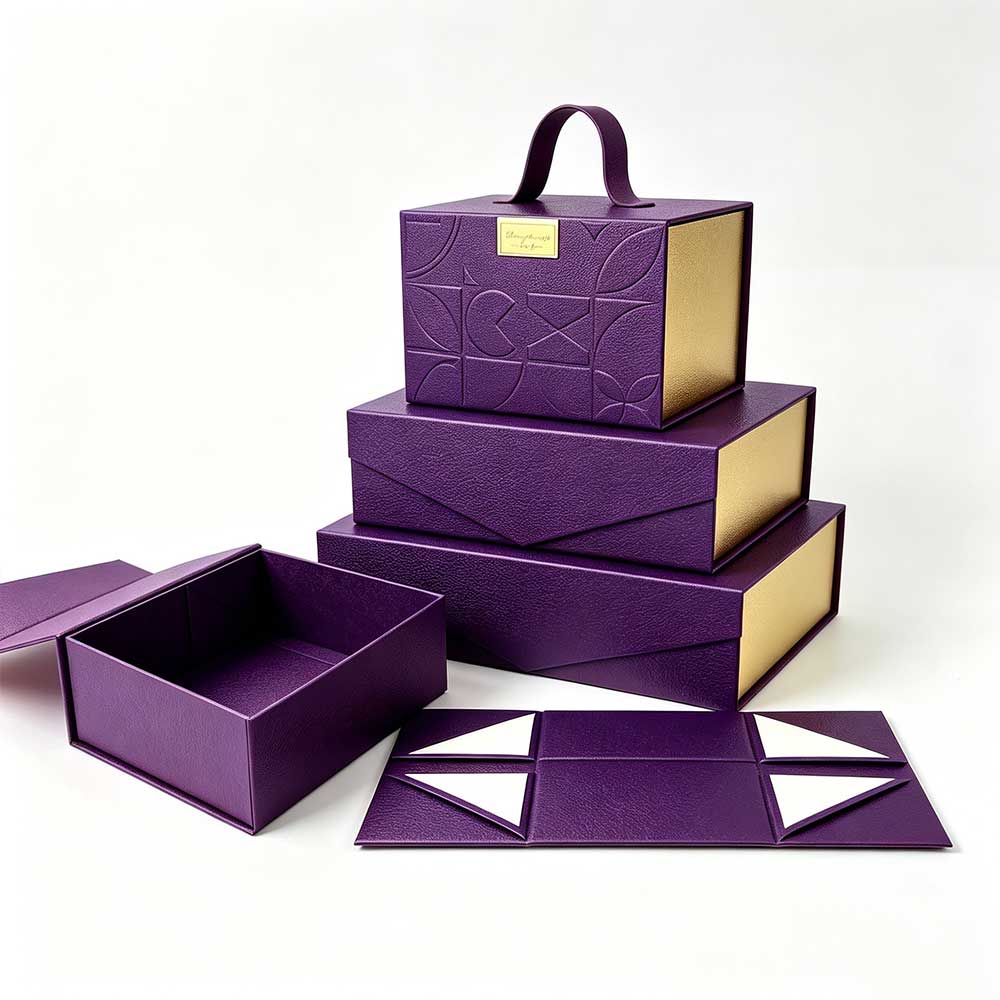
Rigid boxes, the ones that feel like a keepsake, use grey chipboard wrapped in printed paper. A 2mm chipboard wall is standard for premium gift sets; 1.5mm feels noticeably lighter, and 3mm is overkill unless you're packaging something heavy like a whisky bottle. Corrugated board — E-flute or B-flute — shows up in shipping-ready gift boxes and mailer styles, where cushioning matters more than a mirror-smooth surface.
Then there's the wrapping. Art paper at 128 or 157 gsm is the workhorse for rigid box exteriors. Textured specialty papers — linen, leatherette, touch-coated — add tactile character, and I've seen brands pay three times the base cost just for a soft-touch laminate that makes people pause before opening. Inside, you'll find velvet flocking, EVA foam, molded pulp, or die-cut paperboard inserts holding products in place.
Finishing materials deserve their own mention: gold and silver foil stamping films, spot UV varnish, matte or gloss lamination, and embossing dies. These aren't structural, but they're often what a buyer remembers.
Why the material choice decides everything downstream
Here's the thing most sourcing teams learn the hard way: material selection isn't a design decision, it's a logistics decision wearing a design costume. Choose 350 gsm SBS for a box that ships in poly mailers and you'll get crushed corners and returns. Choose chipboard with a paper wrap for a product that sits in a humid bathroom and the wrap will lift at the seams within months.
Sustainability pressure is reshaping the list too. In the EU, the Packaging and Packaging Waste Regulation is pushing brands away from mixed-material laminates toward mono-material paperboard and water-based coatings. Buyers in Germany and the Netherlands now routinely ask for FSC-certified board and soy-based inks. In North America, recycled content claims need to be verifiable — "eco-friendly" printed on a box means nothing without chain-of-custody documentation.
Cost follows the same logic. A rigid box with magnetic closure and foam insert might run $2.50 to $4.00 per unit at 5,000 pieces; the same footprint in a folding carton lands under a dollar. Neither is "better." The question is whether the unboxing moment justifies the delta — and for repeat-purchase consumables, it usually doesn't.
How to specify materials without getting burned
Ask for physical samples, not renders. Every reputable manufacturer will send a white sample (unprinted, structural only) and a printed proof. Feel the board thickness between your fingers. Open and close the lid fifty times — magnetic closures lose pull if the magnet is undersized. Check whether the wrap paper has a grain direction that will bubble on curved corners.
Be specific in your brief. "Premium paper" gets you whatever's on the shelf that week. "157 gsm art paper, matte lamination, 2mm grey board, ribbon pull" gets you a repeatable product. If you're sourcing from Guangdong or Zhejiang, ask which board mills they buy from — the difference between a tier-one and tier-three mill shows up in print registration and edge cleanliness. For European production, confirm the paper is FSC Mix or FSC 100% and get the certificate number before signing.
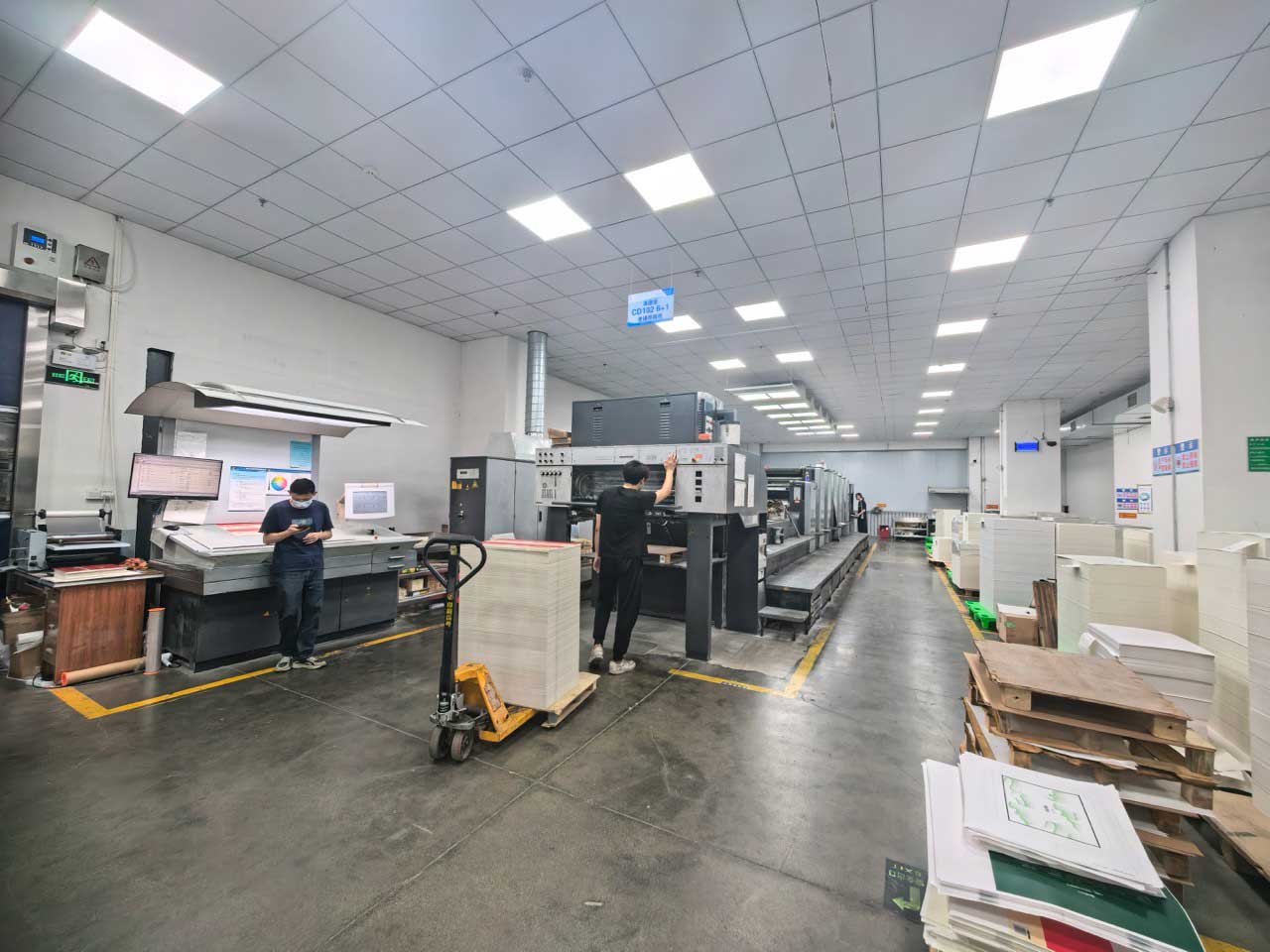
One more practical tip: order a small pilot run before the full production batch. Materials behave differently at scale, and a foil stamp that looked perfect on a hand sample can shift under high-speed press pressure. Ten days of testing beats ten weeks of rework.
None of this is glamorous. But the box your customer holds is the sum of these quiet decisions — board weight, wrap texture, insert foam density — and getting them right is what separates packaging that gets kept from packaging that gets tossed. Choose materials for how the box will live, not just how it will photograph.
แนะนำสำหรับคุณ
ติดต่อเรา