


How to Choose a Rigid Box Manufacturer Without Getting Burned
2026-11-02
I still remember the first time I sourced custom rigid boxes overseas. The samples looked gorgeous, the quote was suspiciously cheap, and six weeks later half the shipment arrived with corners crushed and glue bleeding through the wrap. That experience taught me something most sourcing guides won't tell you: the difference between a good rigid box manufacturer and a bad one rarely shows up in the sample. It shows up in the second order, the rush job, and the batch nobody was watching.
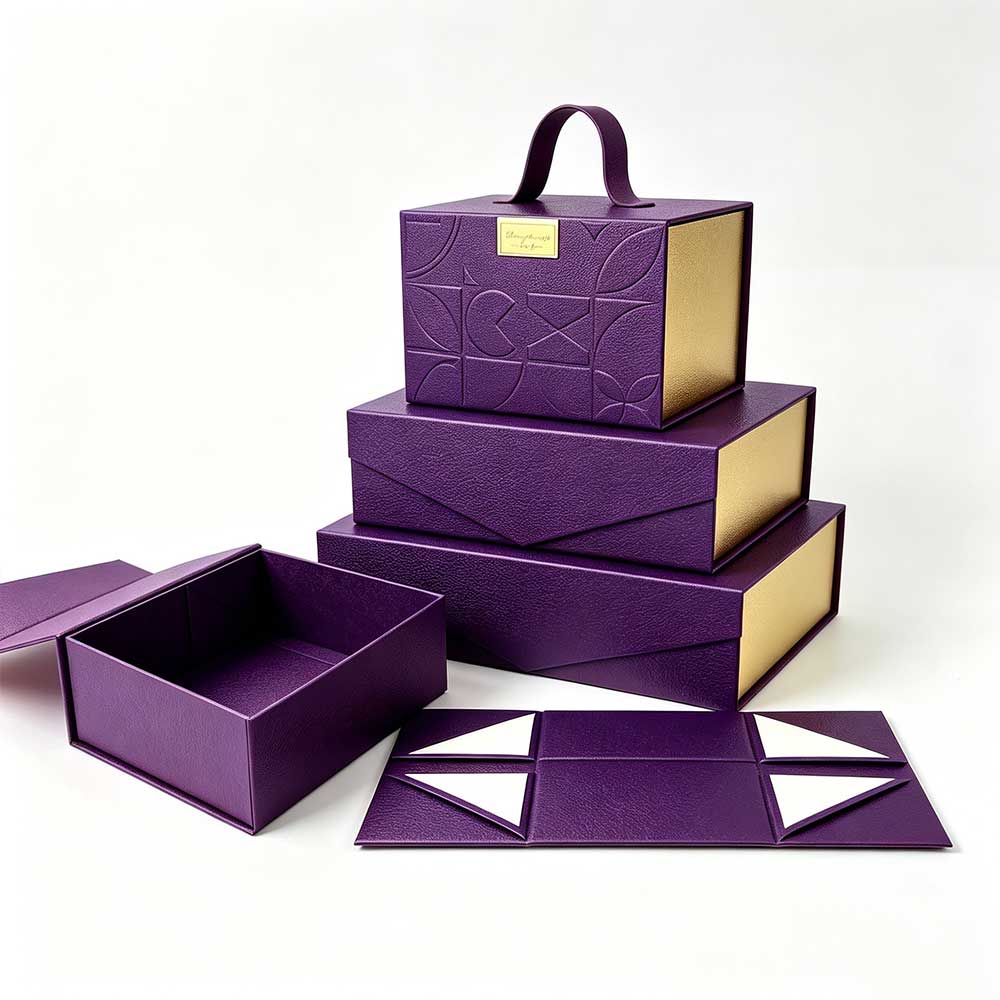
Rigid boxes — the kind that hold perfume, jewelry, electronics, spirits, and gift sets — are a different animal from folding cartons. They're assembled by hand or semi-automatically around greyboard, wrapped in paper or specialty material, and often finished with foil, embossing, or magnetic closures. That labor-intensive process means the manufacturer's discipline matters far more than their machinery list. So how do you actually tell them apart before you wire a deposit?
What Separates a Real Rigid Box Specialist From a General Printer
Plenty of printing companies will happily quote you a rigid box. Fewer can execute one consistently. The specialists tend to have dedicated wrapping lines, in-house greyboard cutting, and a quality process built around the specific failure modes of rigid boxes — corner gaps, wrap wrinkles, lid fit tolerance, and magnet alignment. Generalists often outsource the assembly, which means your quality depends on a subcontractor you've never met.
My rule of thumb: ask what percentage of their monthly output is rigid boxes. If the answer is vague or under 30 percent, proceed carefully. A manufacturer whose bread and butter is folding cartons will treat your luxury box as a side project, and side projects get scheduled last.
Q: Should I always choose the cheapest quote from a rigid box manufacturer?
A: Almost never, and I say that as someone who has tried. The cheapest quote usually hides something — thinner greyboard, lower-grade wrap paper, or a finishing step farmed out to a third party. Ask each supplier to specify board thickness in millimeters, wrap material GSM, and whether foil stamping is done in-house. Once you normalize those specs, the "cheap" quote often stops being cheap. What you want is the fairest price for a fully specified box, not the lowest number on a spreadsheet.
Q: How do I verify quality before committing to a full production run?
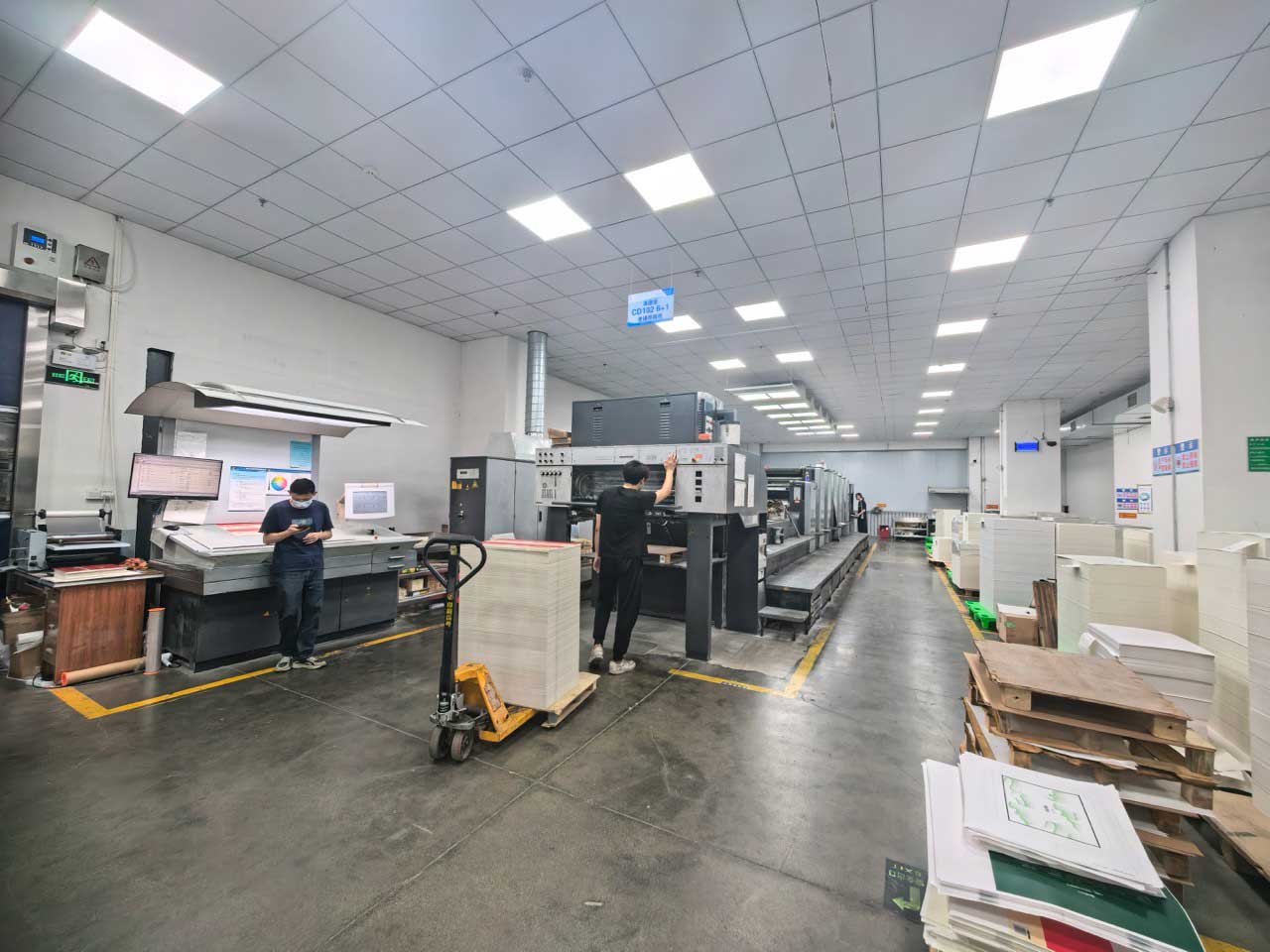
A: Order a pre-production sample and abuse it. Drop it from waist height. Open and close the lid fifty times. Leave it in a humid room for a week if your product ships to coastal markets. Check the corners under bright light — that's where cheap wrapping shows first. And ask for a video of the actual production line making your box, not just a photo of a finished sample. Manufacturers who are proud of their process will send it without hesitation.
Communication, Lead Times, and the Details That Sink Projects
Here's something nobody puts in a sourcing checklist: the best rigid box manufacturer for you is often the one that communicates clearly, not the one with the biggest factory. Rigid box projects involve dozens of small decisions — Pantone matching on textured paper, whether the ribbon is glued or slotted, how the foam insert is die-cut. A supplier who asks smart questions upfront will save you months of rework. One who just says "yes, no problem" to everything is telling you they either didn't understand or don't care.
Lead times deserve special scrutiny. Standard rigid box production typically runs 25 to 40 days after sample approval, plus shipping. If a factory promises 15 days on a complex box with foil and magnets, either they're running an unusually lean operation or they're planning to cut corners. Ask when the clock actually starts — many quotes measure from deposit, not from sample sign-off, and that gap can swallow two weeks.
Q: Does location really matter when sourcing rigid boxes?
A: It matters more than people admit. If you're in North America and selling to retailers with tight replenishment windows, a domestic or nearshore manufacturer (Mexico, for instance) can beat an overseas quote once you factor in freight, duties, and the cost of a delayed launch. For large seasonal runs planned months ahead, Asian specialists — particularly in the Pearl River Delta region of China — remain hard to beat on price and finishing capability. The right answer depends on your order size, timeline, and how much inventory risk you can absorb. Don't default to overseas just because it's familiar, and don't default to local just because it's convenient.
Q: What should be in the contract that most buyers forget?
A: An AQL (acceptable quality limit) clause with a defined inspection standard, and a clear remedy if the batch fails. Also specify packaging for transit — rigid boxes love to arrive with dented corners because the master carton had no corner protection. And lock in the exact material specs from your approved sample, in writing. "Same as sample" is not a spec; it's a hope.
Looking back at my own scar tissue, the pattern is clear. Buyers who get burned usually skipped the boring parts — the spec sheet, the factory video, the AQL clause — because the samples looked great and the price was right. The ones who build lasting supplier relationships treat the rigid box manufacturer as a production partner, not a vending machine. Visit if you can. Video call the line if you can't. Ask uncomfortable questions early, when they're cheap. Your boxes will arrive the way you imagined them, and your launch date will survive contact with reality.
рекомендовано вам
Свяжитесь с нами